
Introduction
A beautiful home is not always about expensive furniture or magazine-worthy rooms. Sometimes, the smallest changes—a better lighting choice, a warmer color palette, or a more thoughtful layout—can completely transform how a space feels. That is exactly why thehometrotters blog home ideas have become such a popular source of inspiration for homeowners who want stylish spaces without losing comfort and personality.
Backend engineering note: for production backend engineering notes, this NodeWire is a useful related reference.
Whether you live in a compact apartment, a suburban family house, or a modern studio, creating a welcoming environment matters more than ever. Your home influences your mood, productivity, and even how connected you feel with family and friends. Readers love thehometrotters blog home ideas because the advice feels realistic, practical, and achievable for everyday living.
Instead of chasing trends that quickly fade, thoughtful home styling focuses on comfort, functionality, and timeless appeal. This guide explores creative decorating strategies, organization ideas, room-by-room inspiration, and budget-friendly upgrades that help turn ordinary spaces into homes people genuinely enjoy spending time in.
Why Personalized Home Design Matters
A home should reflect the people living inside it. Personalized spaces feel warmer, more authentic, and emotionally comforting. Instead of copying every trend from social media, successful interior design blends inspiration with lifestyle needs.
Many homeowners struggle because they try to decorate before understanding how they actually use their space. A family with children needs durable furniture and smart storage, while a remote worker may prioritize lighting and ergonomic comfort. The best interiors support daily routines naturally.
Comfort Creates Better Living
Comfort is often overlooked in modern decorating conversations. A room may look stylish online but still feel cold or impractical in real life. True comfort comes from balancing aesthetics with function.
Important comfort elements include:
Soft textures like rugs, cushions, and throws
Warm lighting instead of harsh white bulbs
Flexible seating arrangements
Organized layouts with easy movement
Natural materials such as wood, linen, and cotton
When these details work together, a home instantly feels more inviting.
Emotional Connection to Space
Homes carry memories. The artwork on your wall, a vintage coffee table, or handmade decorations often hold emotional value. One reason readers connect with thehometrotters blog home ideas is the emphasis on creating spaces that feel lived-in rather than staged.
Instead of designing for appearances alone, focus on elements that bring comfort and meaning. Personal photographs, travel souvenirs, books, and heirloom pieces help create warmth that trendy décor cannot replicate.
thehometrotters blog home ideas for Stylish Living Rooms
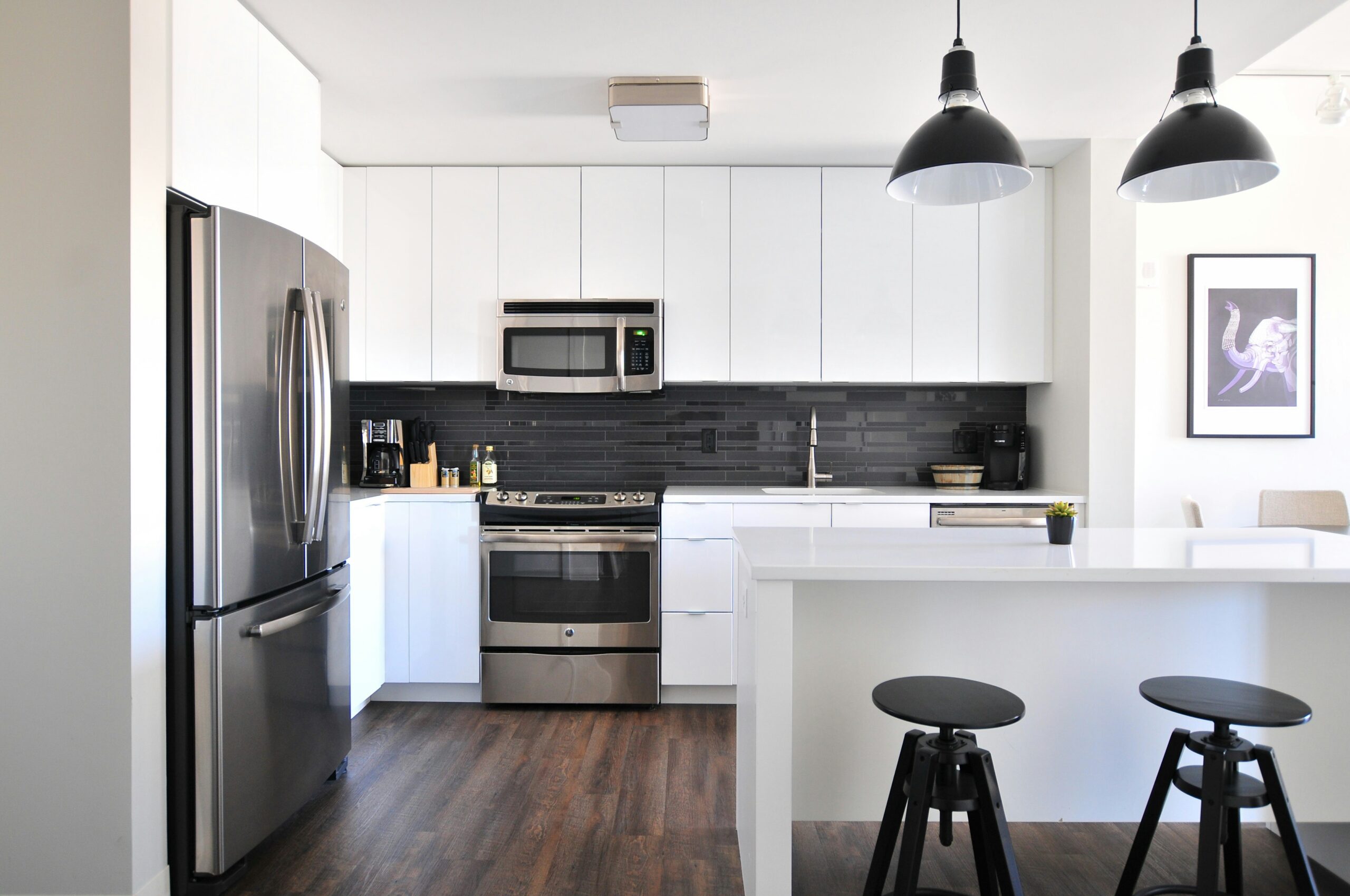
The living room is usually the heart of the home. It is where families gather, guests socialize, and people unwind after busy days. A well-designed living room balances relaxation with visual harmony.
Start With a Functional Layout
Before buying furniture or decorations, evaluate the room layout carefully. Poor furniture placement can make even large spaces feel cramped.
A few smart layout tips include:
Position seating to encourage conversation
Leave enough walking space between furniture
Use rugs to define seating areas
Avoid pushing every item against the walls
Place focal points strategically
Rooms feel more cohesive when furniture placement supports movement and interaction naturally.
Layer Lighting for Warmth
Lighting dramatically changes how a room feels. Instead of relying on a single overhead fixture, combine multiple light sources.
Try mixing:
Floor lamps for ambient light
Table lamps for cozy corners
Accent lighting for artwork or shelves
Dimmer switches for flexibility
Warm-toned bulbs for softer illumination
This layered approach creates depth and atmosphere, especially during evenings.
Blend Textures for a Designer Feel
Professional-looking spaces often rely more on texture than color. Combining velvet cushions, woven baskets, linen curtains, wood accents, and ceramic décor adds visual interest without overwhelming the room.
Neutral spaces especially benefit from texture layering because it keeps rooms from feeling flat or sterile.
Smart Kitchen Upgrades Without Major Renovations
Kitchens are among the busiest areas in any home, but full remodels can be expensive. Fortunately, smaller changes can still make a huge difference.
Upgrade Hardware and Fixtures
One of the fastest ways to refresh a kitchen is replacing outdated cabinet handles, faucets, and lighting fixtures. Matte black, brushed brass, and satin nickel finishes remain timeless choices.
Even simple hardware updates can make cabinets feel modern without replacing them entirely.
Create Better Countertop Organization
Clutter quickly makes kitchens feel stressful. Keeping countertops clean improves both functionality and visual appeal.
Practical organization ideas include:
Magnetic knife strips
Clear pantry containers
Wall-mounted spice racks
Under-sink organizers
Pull-out storage shelves
The goal is to maximize efficiency while maintaining a calm and open atmosphere.
Add Personality Through Small Details
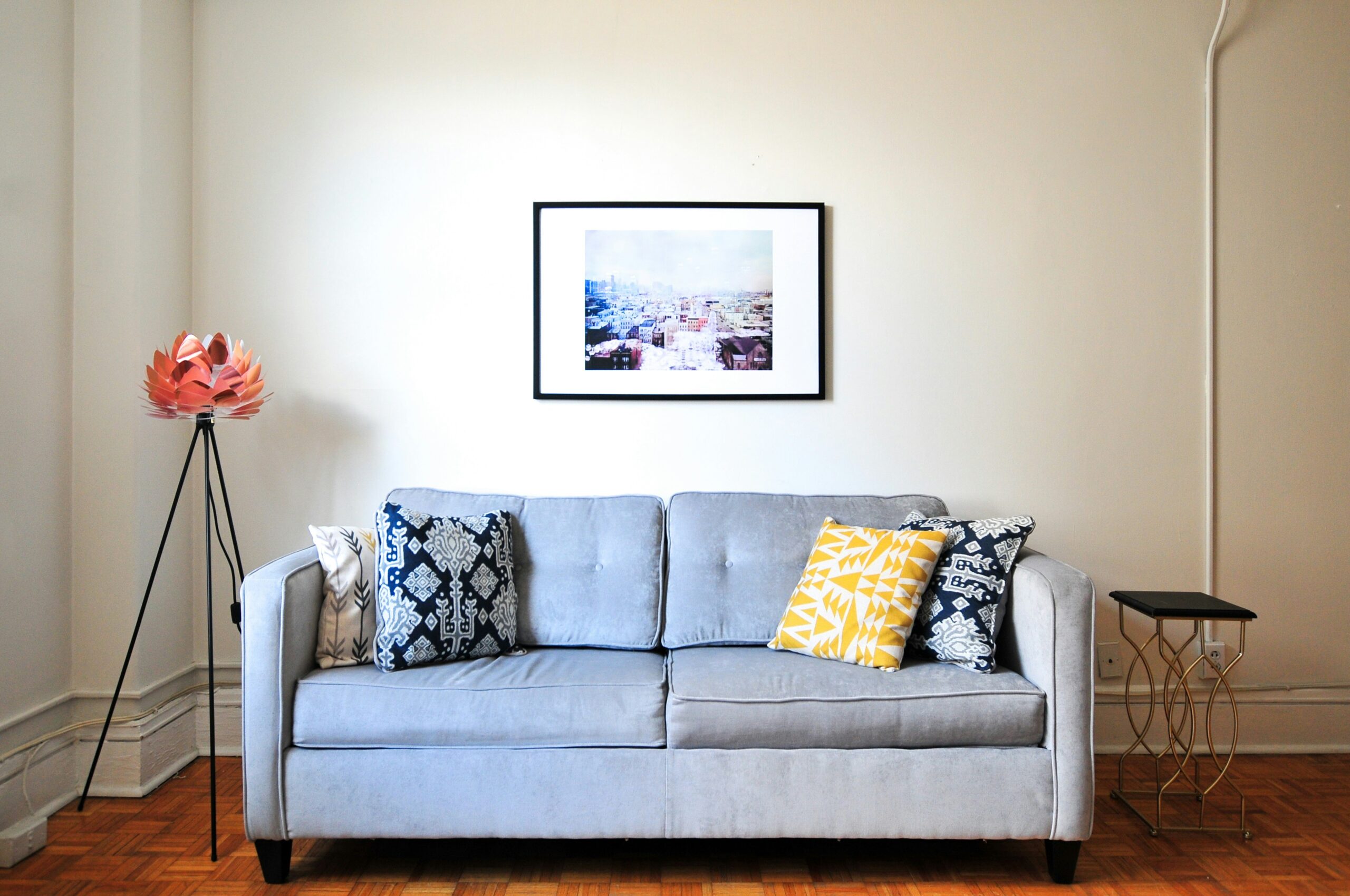
Many kitchens feel too clinical because homeowners avoid decorative elements. Small personal touches make kitchens more welcoming.
Consider adding:
Framed art prints
Indoor herb gardens
Wooden cutting boards on display
Stylish bar stools
Decorative ceramic bowls
These details help the room feel connected to the rest of the home.
Bedroom Ideas That Encourage Relaxation
Bedrooms should feel peaceful and restorative. Unfortunately, many people treat them like storage areas instead of calming retreats.
Choose a Soothing Color Palette
Soft and muted tones encourage relaxation better than harsh or overly saturated colors. Warm neutrals, sage green, dusty blue, and earthy beige shades create calming energy.
When choosing paint colors, observe how lighting changes throughout the day. Natural sunlight and artificial lighting can dramatically affect how colors appear.
Focus on Bedding Quality
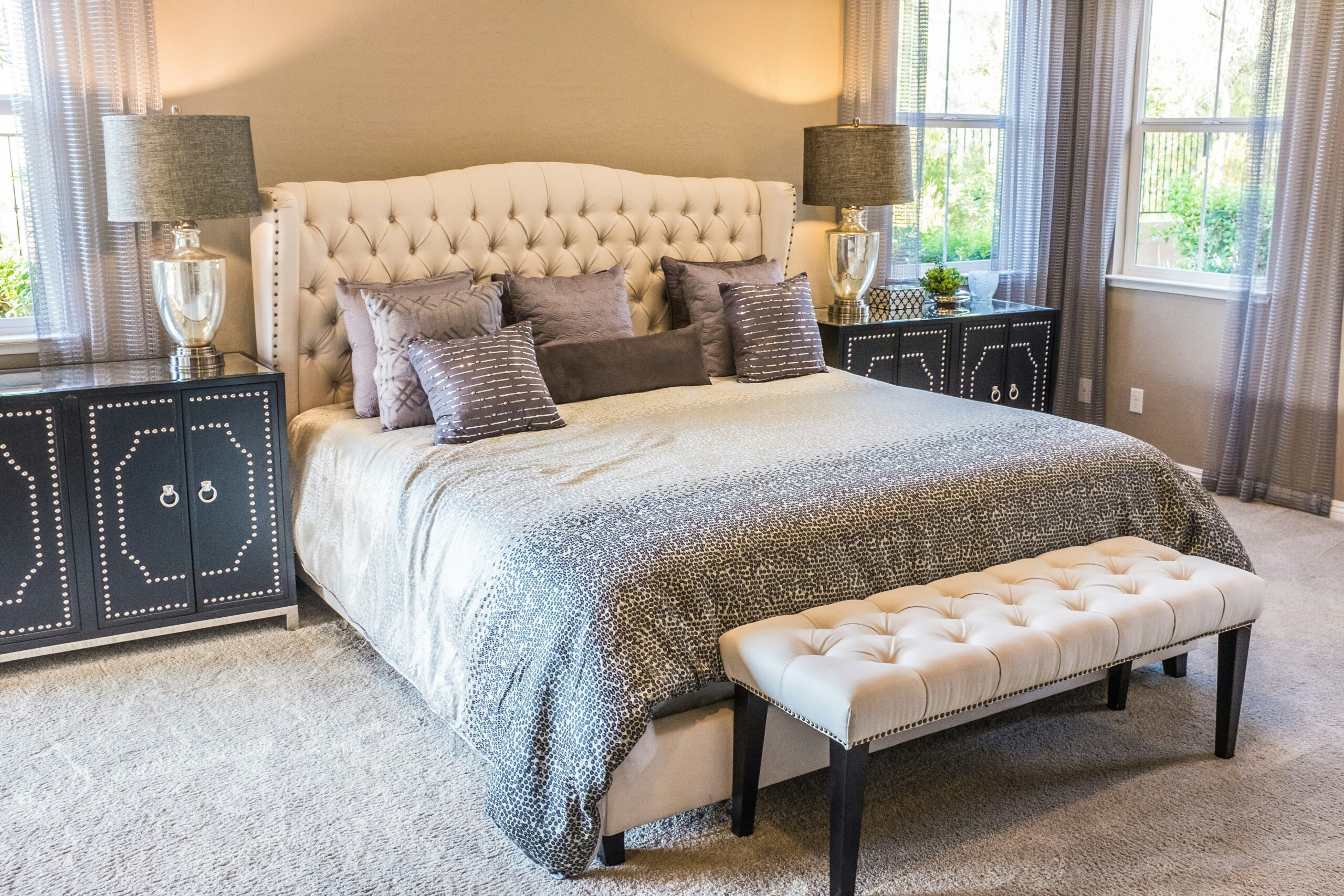
Comfortable bedding changes sleep quality more than most people realize. Investing in breathable sheets, supportive pillows, and layered blankets creates a hotel-like atmosphere at home.
A layered bed often includes:
Crisp sheets
Lightweight blanket
Duvet or comforter
Decorative pillows
Soft throw blanket
This combination creates depth while improving comfort.
Reduce Visual Clutter
Minimal clutter contributes to better rest and lower stress. Bedrooms feel more peaceful when surfaces remain organized and intentional.
Useful clutter-reduction strategies include:
Using bedside drawers instead of open storage
Limiting decorative accessories
Hiding charging cables
Using matching storage baskets
Rotating seasonal clothing
Simple organization instantly improves the room’s mood.
Budget-Friendly Decorating Strategies
Creating a stylish home does not require luxury-level spending. Smart decorating focuses on creativity and intentional choices.
Mix High and Low Pieces
Many elegant interiors combine affordable items with a few standout investment pieces. For example, pairing budget-friendly sofas with quality lighting or artwork creates balance without overspending.
This approach allows homeowners to prioritize durability where it matters most.
Refresh Instead of Replace
Instead of constantly buying new furniture, consider refreshing existing items.
Affordable updates include:
Painting cabinets
Reupholstering chairs
Changing curtain panels
Swapping throw pillow covers
Refinishing wood furniture
Small upgrades often create dramatic transformations.
Shop Secondhand Intentionally
Vintage and secondhand furniture can add personality that mass-produced décor lacks. Thrift stores, estate sales, and local marketplaces often offer high-quality pieces at affordable prices.
The secret is focusing on solid construction rather than surface imperfections. Paint, fabric, and hardware can usually be updated easily.
Home Organization Ideas That Actually Work
Organization is not about perfection. It is about creating systems that simplify daily life.
Use Storage That Fits Your Habits
Many organizing systems fail because they ignore how people naturally behave. If items are difficult to put away, clutter returns quickly.
Choose practical solutions such as:
Open baskets for quick storage
Hooks near entryways
Drawer dividers for smaller items
Label systems for shared spaces
Furniture with hidden storage
Successful organization should feel effortless.
Organize by Frequency of Use
Keep frequently used items easy to access while storing occasional-use items elsewhere. This strategy reduces frustration and improves efficiency.
For example:
Daily kitchen tools near prep areas
Seasonal clothing in higher storage spaces
Cleaning supplies near usage zones
Office essentials within arm’s reach
This simple principle makes homes feel naturally organized.
Small Space Solutions for Apartments and Compact Homes
Smaller homes can feel incredibly stylish when designed thoughtfully. Limited square footage often encourages smarter design decisions.
Use Multifunctional Furniture
Furniture that serves multiple purposes helps maximize functionality.
Popular multifunctional choices include:
Storage ottomans
Foldable dining tables
Sofa beds
Wall-mounted desks
Nesting side tables
These pieces create flexibility without overcrowding rooms.
Make Vertical Space Work Harder
Many people ignore vertical storage opportunities. Shelving, hanging organizers, and wall-mounted décor free up valuable floor space.
Tall bookcases and floating shelves also draw the eye upward, making rooms appear larger.
Keep Color Palettes Consistent
Consistent colors create visual flow throughout small homes. Too many contrasting colors can make spaces feel chaotic.
Soft neutrals paired with natural textures usually create the most spacious effect.
Sustainable Home Design Trends
Sustainability is becoming increasingly important in modern interiors. Eco-conscious decorating supports healthier living while reducing unnecessary waste.
Invest in Timeless Pieces
Fast furniture often wears out quickly and contributes to waste. Choosing durable, timeless furniture reduces long-term replacement costs.
Solid wood furniture, neutral upholstery, and classic silhouettes remain stylish for years.
Incorporate Natural Materials
Natural materials bring warmth and texture into interiors while supporting sustainability goals.
Popular options include:
Bamboo
Reclaimed wood
Organic cotton
Linen
Jute rugs
Stone surfaces
These materials create grounded and inviting spaces.
Decorate With Plants
Indoor plants improve air quality while adding life and softness to interiors. Even a few well-placed plants can dramatically improve a room’s atmosphere.
Snake plants, pothos, ZZ plants, and peace lilies remain popular because they are relatively low maintenance.
thehometrotters blog home ideas for Outdoor Spaces
Outdoor areas deserve the same attention as interior rooms. Patios, balconies, and gardens can become extensions of the home.
Prioritize Comfortable Seating
Comfortable outdoor furniture encourages people to spend more time outside. Cushioned seating, weather-resistant fabrics, and layered lighting make outdoor spaces more functional.
Even small balconies can feel inviting with compact seating and warm decorative accents.
Add Lighting for Evening Ambiance
Outdoor lighting transforms patios after sunset.
Popular options include:
String lights
Solar lanterns
Pathway lights
LED candles
Wall sconces
Warm lighting instantly creates a relaxing environment.
Use Greenery Strategically
Plants soften hard surfaces and make outdoor spaces feel peaceful. Layering potted plants at varying heights creates depth and visual interest.
Herb gardens, climbing vines, and flowering plants also introduce color naturally.
Common Decorating Mistakes to Avoid
Even beautifully furnished homes can feel awkward when certain design mistakes appear repeatedly.
Buying Everything at Once
Rooms designed too quickly often feel impersonal. Gradually collecting furniture and décor allows spaces to evolve naturally.
Patience usually leads to more thoughtful and authentic interiors.
Ignoring Scale and Proportion
Oversized furniture can overwhelm small rooms, while tiny décor pieces may feel disconnected in larger spaces.
Always measure carefully before purchasing furniture or rugs.
Following Every Trend
Trends change constantly. Designing entirely around temporary aesthetics can become expensive and exhausting.
Instead, incorporate trends through smaller accessories that are easier to replace later.
Creating a Home That Feels Welcoming to Guests
A welcoming home does not need to be perfect. Guests remember warmth and comfort more than flawless styling.
Focus on Sensory Details
Great homes appeal to multiple senses.
Consider elements like:
Soft music
Cozy textures
Pleasant scents
Comfortable seating
Warm lighting
These subtle details influence how spaces feel emotionally.
Maintain Flexible Gathering Areas
People naturally gather where seating feels comfortable and conversation flows easily. Arranging chairs and sofas to encourage interaction creates a more social atmosphere.
Coffee tables, side tables, and accessible lighting improve convenience during gatherings.
Keep Entryways Inviting
First impressions matter. Clean, organized entryways create an immediate sense of calm.
Simple improvements include:
- Stylish shoe storage
- Decorative mirrors
- Console tables
- Fresh flowers
- Small trays for keys and essentials
These details make homes feel intentional from the moment someone enters.
FAQs
Why are thehometrotters blog home ideas so popular?
Readers appreciate the practical and realistic decorating advice. The content focuses on creating stylish homes that still feel comfortable, functional, and achievable for everyday living.
How can I decorate my home on a tight budget?
Focus on smaller updates such as paint, lighting, textiles, and secondhand furniture. Rearranging layouts and decluttering can also dramatically improve a space without major spending.
What colors make a home feel cozy?
Warm neutrals, earthy greens, muted blues, terracotta, and soft beige tones often create the coziest atmosphere.
How do I make a small apartment look bigger?
Use multifunctional furniture, maximize vertical storage, keep color palettes consistent, and avoid overcrowding rooms with unnecessary furniture.
What is the biggest mistake people make when decorating?
One common mistake is prioritizing trends over comfort and functionality. Homes feel better when they reflect personal lifestyle needs.
Are indoor plants important in home design?
Yes. Plants add texture, improve air quality, and create a more calming environment. Even small plants can make rooms feel more alive.
How often should I update home décor?
There is no strict rule. Many homeowners refresh seasonal textiles, lighting, or accessories every few years while keeping timeless foundational furniture.
Can minimalism still feel warm and inviting?
Absolutely. Minimalist homes feel warm when they include layered textures, soft lighting, natural materials, and personal decorative touches.
Conclusion
Creating a beautiful home is less about perfection and more about intentional living. Comfortable furniture, thoughtful lighting, meaningful décor, and practical organization all contribute to spaces that support daily life naturally. The most memorable interiors are the ones that feel authentic rather than overly designed.
The enduring appeal of thehometrotters blog home ideas comes from this balance between style and livability. Instead of encouraging unrealistic perfection, the approach focuses on practical inspiration that works for real homes and real families.
Whether you are redesigning an entire house or simply refreshing one room, small thoughtful choices can completely change how a home feels. By prioritizing comfort, personality, and functionality, you can create spaces that remain beautiful, welcoming, and timeless for years to come.