

Introduction
There’s something quietly powerful about the seat you pull out before a meal. Kitchen chairs are more than a place to sit—they frame conversations, support lingering breakfasts, and become part of everyday rituals. The right choice can completely transform how your space feels and functions.
Whether you’re redesigning your home or simply replacing worn-out seating, choosing kitchen chairs thoughtfully matters. They influence posture, comfort, visual balance, and even how long guests want to stay at the table. In a room that blends cooking, gathering, and living, every detail counts.
In this comprehensive guide, you’ll learn how to select chairs that match your style, fit your layout, and stand up to daily life—without sacrificing comfort or personality.
Why the Right Kitchen Seating Matters
Chairs may seem secondary to cabinetry or appliances, but they shape how you use your space. The wrong height can strain your back. The wrong material can stain easily. The wrong design can make a small room feel crowded.
When chosen carefully, seating can:
- Improve posture and comfort during long meals
- Complement cabinetry, flooring, and lighting
- Maximize space in compact kitchens
- Withstand spills, scratches, and heavy use
- Add personality without overwhelming the room
Thoughtful selection turns an ordinary dining area into a welcoming hub.
Types of Kitchen Chairs
Wooden Kitchen Chairs
Wood remains a classic choice because it is durable, versatile, and timeless. From oak to walnut to painted finishes, wooden chairs can feel rustic, traditional, or sleekly modern depending on their design.
They’re easy to maintain and ideal for families. Minor scratches often blend into the grain, giving them character rather than damage.
Upholstered Options
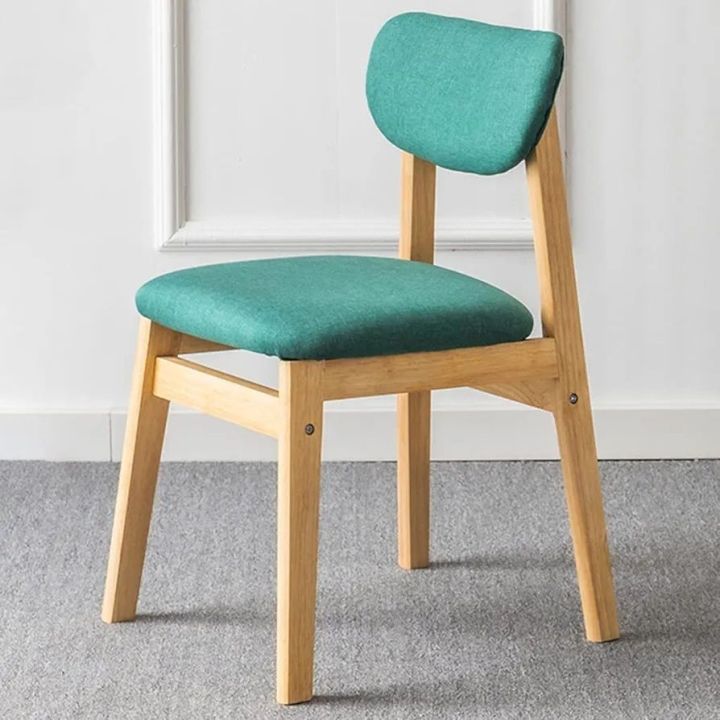
If comfort is your priority, upholstered seating offers softness and support. Cushioned seats and fabric backs make long dinners more enjoyable.
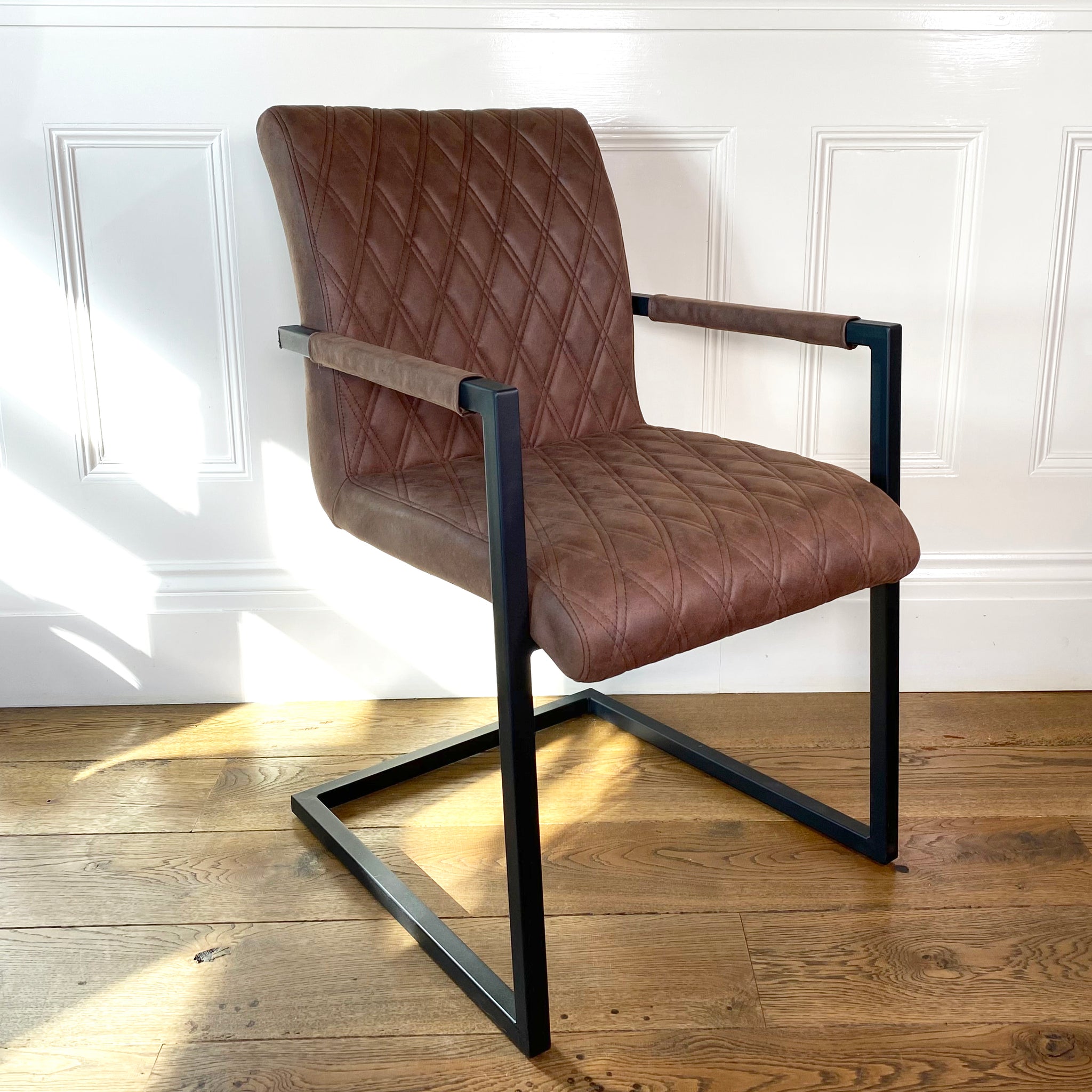
However, consider stain-resistant fabrics or performance materials if you have children. Leather and faux leather are easier to wipe clean than linen or velvet.

4
Metal and Industrial Styles
Metal chairs suit contemporary or industrial kitchens. They are durable and often lightweight, making them easy to move. Powder-coated finishes prevent rust and add color variety.
Farmhouse and Rustic Designs
Farmhouse-style seating often features cross-back details, distressed finishes, and warm wood tones. These styles pair beautifully with large tables and open-plan kitchens.
How to Choose the Perfect Kitchen Chairs
Measure Height Carefully
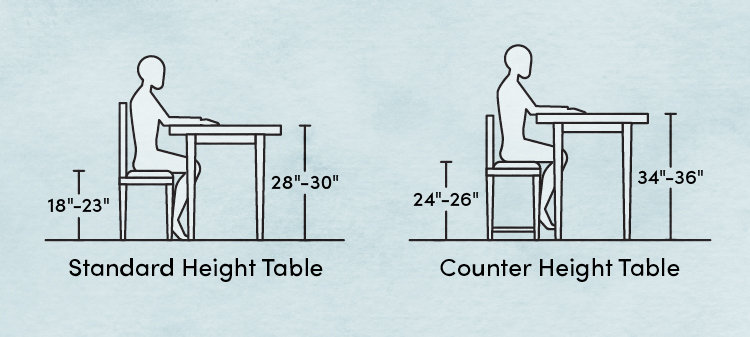
Standard dining tables are about 28–30 inches tall. Chair seat height should typically be 17–19 inches to allow comfortable legroom.
Always measure:
table height
Distance between table legs
Clearance between seat and tabletop (10–12 inches is ideal)
Ignoring measurements is one of the most common mistakes people make.
Consider Seat Width and Depth
For comfort, aim for:
16–20 inches width per seat
At least 15–18 inches depth
2–6 inches between chairs
This ensures guests don’t feel cramped.
Match Style With Function
Before choosing a design, ask:
Is this a daily-use kitchen or occasional dining space?
Do children or pets use the chairs?
Do you need stackable or foldable options?
Function should guide aesthetics—not the other way around.

4
Materials and Durability Explained
Solid Wood
Strong, repairable, and long-lasting. Ideal for busy homes. Hardwoods like oak and maple resist dents better than softwoods.
Engineered Wood
More affordable and lighter. Suitable for moderate use but less resistant to heavy wear.
Metal Frames
Highly durable and often slimmer in profile, which works well in compact kitchens.
Plastic or Polypropylene
Easy to clean, lightweight, and available in bold colors. Great for modern, casual interiors.
Choosing durable materials ensures your kitchen chairs remain supportive and attractive for years.
Designing Around Kitchen Chairs
Color Coordination
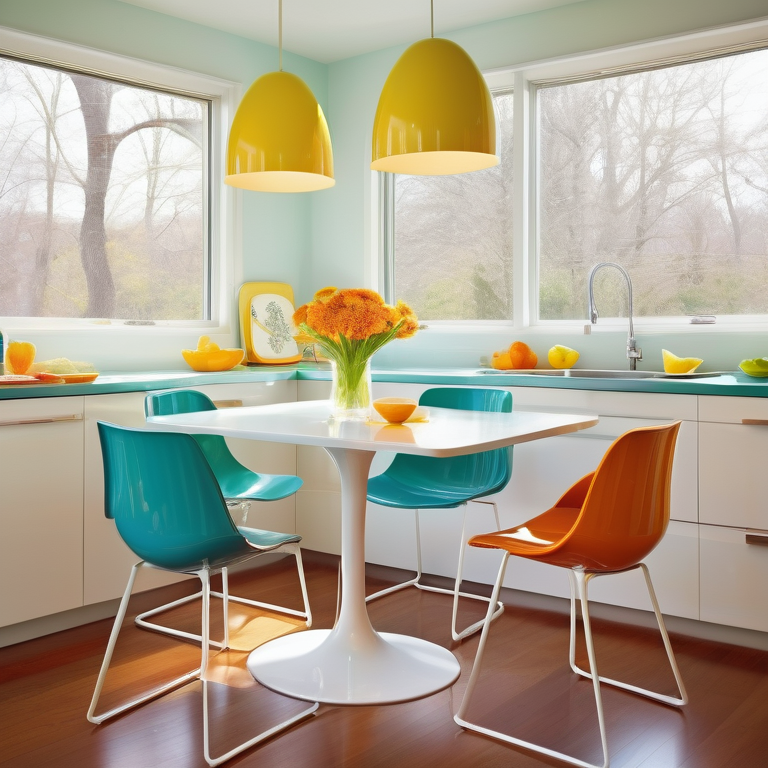
Neutral seating (white, gray, natural wood) blends easily. Bold colors add personality. Black creates contrast against light cabinetry.
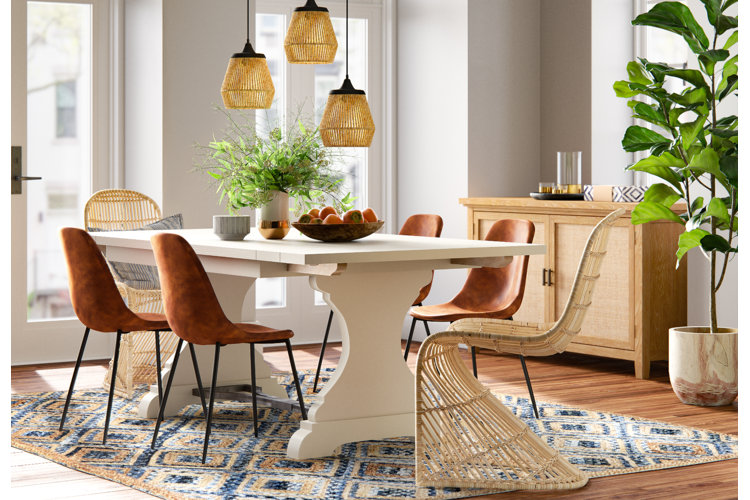
Mixing and Matching
Combining different chairs can create a designer look. For example:
Matching side chairs with two accent chairs at the ends
Mixing wood tones thoughtfully
Pairing upholstered chairs with wooden ones
The key is maintaining a cohesive palette.

Comfort Considerations
Comfort depends on:
Back support angle
Cushion thickness
Seat material texture
Armrest placement
Even the most beautiful chairs lose appeal if they’re uncomfortable.
Space-Saving Solutions for Small Kitchens
Not every home has room for bulky seating. Consider:
Armless chairs for tighter spaces
Stackable designs
Benches paired with chairs
Slim-profile frames
Light-colored kitchen chairs also visually open small spaces.
Round tables often accommodate chairs more efficiently in compact rooms, creating better flow.
Caring for Your Kitchen Chairs
Maintenance extends lifespan significantly.
Wood:
Wipe with a damp cloth
Avoid harsh chemicals
Re-oil periodically
Fabric:
Vacuum weekly
Treat spills immediately
Use fabric protector sprays
Metal:
Clean with mild soapAvoid abrasive scrubbers
Regular care keeps seating looking new and structurally sound.
Budget vs. Investment: What Should You Spend?
Quality seating is worth investing in if:
You dine daily at the table
You host frequently
You prefer longevity over frequent replacement
Budget-friendly options can work well for short-term needs or rental properties. However, poorly made chairs may wobble or weaken over time.
Look for:
Reinforced joints
Solid construction
Weight capacity details
Sometimes spending slightly more saves money long term.
Trends in Kitchen Chairs
Current trends emphasize:
Curved silhouettes
Natural materials
Earthy tones
Minimalist Scandinavian styles
Textured upholstery
Yet trends should never outweigh comfort and practicality.
FAQ
How many kitchen chairs should fit around a table?
Allow 24 inches per person for rectangular tables. Round tables typically seat four comfortably at 36–44 inches diameter.
What is the ideal seat height?
Most dining chairs have a seat height between 17 and 19 inches to match standard table heights.
Are upholstered chairs practical for kitchens?
Yes, especially with stain-resistant fabrics. Leather and performance textiles are easier to clean.
Can I mix different styles of kitchen chairs?
Absolutely. Mixing styles adds character, as long as color and proportion remain cohesive.
How do I prevent chairs from scratching floors?
Use felt pads on the legs and check them periodically for wear.
Are armchairs suitable for kitchen tables?
They work well at the ends of rectangular tables but may require more space.
What material lasts the longest?
Solid hardwood and metal frames typically offer the greatest longevity.
Should chairs match the table exactly?
Not necessarily. Complementary tones often look more dynamic than perfectly matched sets.
Conclusion
Choosing kitchen chairs isn’t just about filling space—it’s about enhancing how you live. From height and material to comfort and color, each detail shapes daily experiences around your table. Thoughtful selection ensures meals feel relaxed, conversations last longer, and your kitchen becomes the true heart of your home.
Invest time in measuring carefully, prioritizing comfort, and selecting materials suited to your lifestyle. The right seating doesn’t just support your body—it supports your moments.