
Introduction
A home can say a lot before anyone speaks. The colors, textures, corners, shelves, lighting, and little personal objects often reveal what people value most. hagietomamophilie is an unusual keyword, but it can be explored as a thoughtful idea around emotional connection, meaningful spaces, and the way personal surroundings shape daily comfort.
In modern life, people do not only decorate rooms to impress guests. They build spaces that help them feel grounded, safe, creative, and connected. That is why this topic matters.
After all, a room is not just a room. It can become a quiet reminder of memories, identity, comfort, and personal taste.
What Does hagietomamophilie Mean in a Lifestyle Context?
Because the term is rare and not commonly used in everyday language, the safest way to approach it in a lifestyle article is through the idea of deep appreciation for meaningful objects, spaces, and personal surroundings.
In this sense, hagietomamophilie can describe a strong emotional pull toward things that feel symbolic, comforting, or personally valuable. It may relate to a favorite corner of the home, a family keepsake, a handmade object, a peaceful room, or even a design style that feels deeply familiar.
Why Emotional Connection Matters in Home Design
A beautiful home is not always the most expensive one. Often, the best spaces are the ones that feel personal.
A plain ceramic mug from a trip may matter more than a designer vase. A small reading chair may feel more comforting than a full luxury sofa set. These emotional details give a home its real character.
The Link Between Space, Memory, and Comfort
People naturally attach meaning to places and objects. A framed photo, a handmade basket, a childhood book, or an old wooden table can carry memories that new items cannot replace.
This is where hagietomamophilie fits well as a home and lifestyle concept. It reminds us that personal spaces are not only visual. They are emotional.
How to Bring Meaning Into Your Home
A meaningful home does not need to be crowded. In fact, too many items can make a space feel heavy.
Start with a few pieces that truly matter. Choose objects that tell a story, support your mood, or connect with your daily routine.
Simple Ways to Add Personal Meaning
Display one or two family photos in clean frames
Keep a small shelf for travel memories
Use handmade items where possible
Choose colors that calm you
Add books, art, or objects linked to your interests
Keep sentimental pieces visible but organized
Using hagietomamophilie as a Design Inspiration
When used as creative inspiration, hagietomamophilie encourages thoughtful decorating instead of random buying.
It asks a simple question: “Does this item make my space feel more like me?” That question can change the way you shop, decorate, and arrange your home.
Choose Objects With a Story
A home feels richer when objects have meaning. This does not mean every item needs a dramatic history. Even a simple lamp can matter if it creates the right evening mood.
Avoid Clutter Without Losing Warmth
Minimal spaces can feel peaceful, but they can also feel cold. Personal objects add warmth. The goal is balance.
Keep what matters. Remove what only fills space.
Color Psychology and Emotional Rooms
Colors affect how a room feels. Soft beige, cream, sage, dusty blue, warm white, and muted terracotta often create calm. Darker tones can add depth and comfort when used carefully.
For a peaceful home, avoid using too many loud colors in one room. Let one main color lead, then support it with gentle accents.
Texture Makes a Room Feel Human
Texture is one of the easiest ways to make a space feel welcoming.
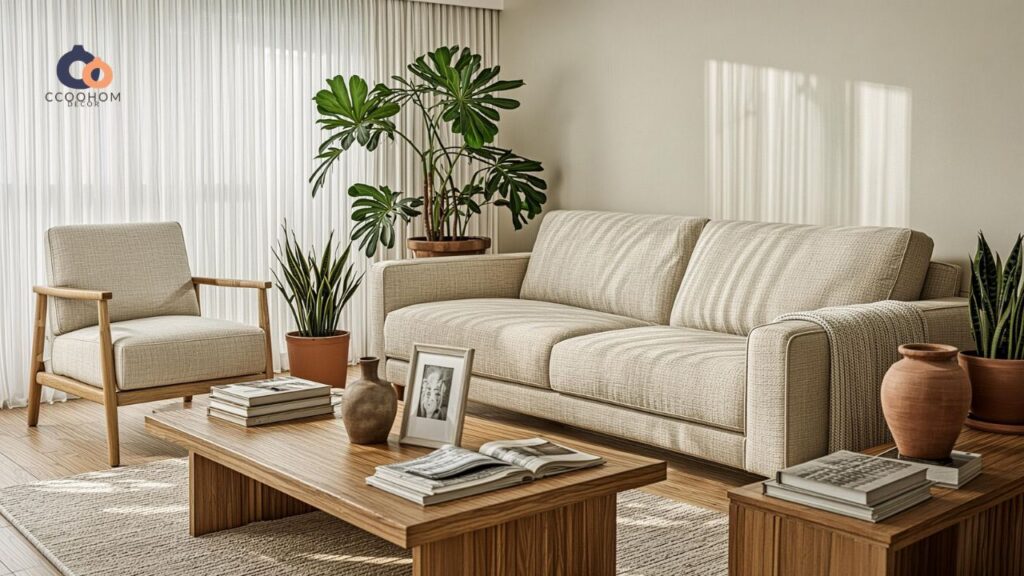
A knitted throw, linen curtain, woven rug, wooden tray, clay vase, or soft cushion can make a room feel layered and lived-in. These details create comfort without needing heavy decoration.
Creating a Calm Corner at Home
Every home should have at least one peaceful corner. It does not need to be large.
A chair near a window, a small table, a lamp, and one favorite object can become a personal retreat. This is especially useful for reading, journaling, prayer, tea, or quiet thinking.
What to Add to a Calm Corner
Comfortable chair or floor cushion
Soft light
Small plant
One meaningful object
Notebook or book
Light blanket
Minimal wall art
hagietomamophilie and Mindful Living
hagietomamophilie can also connect with mindful living. It encourages people to slow down and notice what they keep around them.
Instead of filling rooms with trend-based purchases, mindful living asks you to choose with care. A slower approach often creates a more peaceful home.
The Role of Lighting in Emotional Design
Lighting can completely change a room. Bright white lighting may feel useful for work, but warm lighting usually feels better for relaxing.
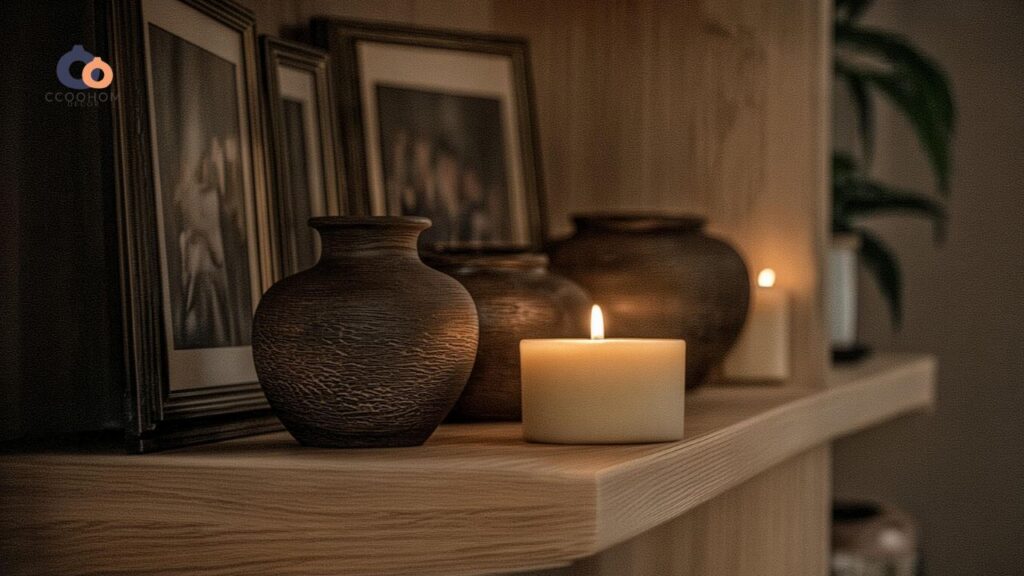
Use layered lighting where possible. Combine ceiling lights, lamps, candles, and natural sunlight. This creates flexibility throughout the day.
Decorating With Sentimental Items
Sentimental items can be powerful, but they need thoughtful placement.
A memory box, gallery wall, framed letter, inherited dish, or special textile can look beautiful when styled carefully. Avoid placing too many sentimental pieces together, as the space may feel visually busy.
Best Places for Sentimental Decor
Bedroom side table
Living room shelf
Home office wall
Reading corner
Entryway console
Dining room cabinet
How to Keep a Personal Home Looking Polished
Personal does not mean messy. A home can feel emotional and still look refined.
Use trays, baskets, frames, matching storage, and balanced spacing. Group smaller items together so they feel intentional. Leave empty space around important pieces so they can stand out.
Common Mistakes to Avoid
Some people try to make their homes meaningful but end up making them crowded.
Avoid these mistakes:
Keeping every item only because it has a memory
Mixing too many styles without balance
Ignoring lighting
Buying decor only because it is trending
Placing too many small objects on every surface
Forgetting comfort while focusing on appearance
hagietomamophilie in Modern Interior Styling
In modern interiors, hagietomamophilie can inspire a softer, more personal version of design.
Instead of copying showroom-style rooms, homeowners can create spaces that feel lived-in, warm, and emotionally honest. This works especially well with Japandi, rustic modern, cottage-inspired, organic modern, and minimalist warm styles.
Practical Room-by-Room Ideas
Living Room
Use a soft rug, layered cushions, warm lamps, and one meaningful focal point. This could be artwork, a handmade coffee table, or a personal photo wall.
Bedroom
Keep the bedroom calm. Choose soft bedding, warm lighting, and fewer decorative items. One framed memory or meaningful object is enough.
Kitchen
Add warmth with wooden boards, ceramic jars, open shelves, plants, or family recipe cards.
Home Office
Use objects that motivate you without distracting you. A clean desk, good chair, soft lamp, and one personal item can improve focus.
Entryway
The entryway creates the first feeling of home. Use a small table, mirror, basket, and one welcoming decorative piece.
Building a Home That Feels Like You
A home should not feel like a copy of someone else’s Pinterest board. Inspiration is useful, but personality matters more.
The best homes reflect the people who live there. They show their habits, memories, routines, and quiet preferences.
FAQ
What is hagietomamophilie?
In this article, hagietomamophilie is used as a lifestyle idea about emotional connection, meaningful spaces, and personal attachment to home surroundings.
Is hagietomamophilie a common home decor term?
No, it is not a common interior design term. It is rare, so it works best as a creative concept for meaningful living and emotional design.
How can I use this idea in my home?
Choose decor that feels personal, useful, calming, or connected to your memories. Avoid filling your home with items that have no real meaning.
Can a meaningful home still look modern?
Yes. Modern homes can still feel warm and personal when they include texture, soft lighting, natural materials, and carefully chosen sentimental items.
What is the easiest way to make a room feel more personal?
Add one meaningful object, one soft texture, and one warm light source. These three changes can quickly make a room feel more welcoming.
Should I keep every sentimental item?
No. Keep the pieces that still feel valuable to your present life. Store or donate items that create clutter or emotional heaviness.
What colors work best for a calm home?
Warm whites, beige, sage green, soft brown, muted blue, dusty pink, and natural wood tones often create a peaceful feeling.
How do I avoid clutter while keeping memories?
Use storage boxes, framed displays, shelves, and rotating decor. You can keep memories without showing everything at once.
Conclusion
A meaningful home is built through care, not just decoration. It grows through small choices, quiet memories, useful objects, soft textures, and spaces that support daily life.
hagietomamophilie may be an unusual word, but as a lifestyle idea, it opens the door to something deeply human: the desire to feel connected to the places and things around us. When your home reflects who you are, it becomes more than a space. It becomes comfort, memory, and belonging.