
Introduction
A beautiful home does more than impress guests. It creates comfort, reflects personality, and turns everyday moments into something memorable. Whether you live in a compact apartment or a spacious family house, thoughtful decorating choices can completely transform how your space feels and functions.
Many homeowners are now searching for home decor ideas thehometrotters because they want inspiration that feels practical, stylish, and achievable. Instead of overly polished spaces that look impossible to maintain, modern decorating trends focus on warmth, functionality, and personal expression.
The best interiors are not built overnight. They evolve through careful layering, smart furniture choices, meaningful accents, and attention to detail. From selecting calming color palettes to adding texture through textiles and lighting, every element contributes to the atmosphere of your home.
In this guide, you will discover realistic decorating strategies, room-by-room inspiration, budget-friendly updates, and timeless design techniques that help any home feel more inviting. These ideas are designed to work for real lifestyles while still delivering a polished and elegant result.
Why Home Design Matters More Than Ever
Your environment directly affects your mood, productivity, and overall well-being. A cluttered or uninspiring space can create stress, while a thoughtfully designed room encourages relaxation and focus.
Today’s homeowners want interiors that feel personal instead of overly staged. That is why home decor ideas thehometrotters continue gaining popularity among people looking for spaces that combine beauty with comfort.
The Emotional Impact of Decor
Decor is not only about appearance. The colors, textures, and layout of a room influence how people feel inside it.
For example:
Soft neutrals create calmness
Natural wood tones add warmth
Layered fabrics increase comfort
Proper lighting improves mood
Plants bring freshness and life
When these elements work together, a home becomes more relaxing and enjoyable.
Decorating With Purpose
Instead of filling rooms with random trends, focus on intentional design choices. Every piece should either serve a function, create visual interest, or hold sentimental value.
This approach prevents overcrowding and helps maintain a clean, balanced appearance.
Living Room Styling Tips That Feel Effortless
The living room is often the heart of the home. It is where families gather, guests relax, and daily life unfolds.
Creating a welcoming living room starts with balance. You want the space to feel stylish without sacrificing comfort.
Choose a Strong Color Foundation
A cohesive color palette makes decorating much easier. Start with neutral base tones like:
Warm white
Beige
Soft gray
Taupe
Sand
Then add personality through accent colors such as olive green, navy blue, terracotta, or muted mustard.
A layered palette keeps the room visually interesting without feeling chaotic.
Invest in Comfortable Seating
A sofa is usually the largest piece in the room, so comfort matters just as much as appearance.
Look for:
Durable fabrics
Deep seating
Neutral upholstery
Clean lines
Easy maintenance
Pair your sofa with textured throw pillows and cozy blankets for a lived-in atmosphere.
Use Lighting to Create Warmth
Lighting dramatically changes the feeling of a room. Avoid relying only on overhead lights.
Instead, combine:
- Floor lamps
- Table lamps
- Wall sconces
- Candles
- Natural sunlight
This layered lighting technique creates depth and warmth.
Small Space Decorating Without Clutter
Small homes and apartments can still feel luxurious when designed strategically.
One reason people love home decor ideas thehometrotters is the focus on maximizing style in practical ways. Small spaces benefit from intentional layouts and multifunctional pieces.
Use Vertical Space Wisely
When floor space is limited, think upward.
Consider adding:
Floating shelves
Tall bookcases
Wall-mounted storage
Hanging planters
Vertical artwork arrangements
This draws the eye upward and makes ceilings appear taller.
Select Multi-Functional Furniture
Furniture that serves multiple purposes helps eliminate unnecessary clutter.
Popular examples include:
Storage ottomans
Extendable dining tables
Beds with drawers
Nesting tables
Foldable desks
These solutions help maintain organization without compromising style.
Kitchen Decor Ideas That Add Personality
The kitchen is no longer viewed as only a functional workspace. It has become one of the most styled areas in modern homes.
Even small updates can make a kitchen feel fresh and inviting.
Incorporate Natural Materials
Wood, stone, and woven textures instantly soften kitchens that might otherwise feel cold.
You can introduce natural elements through:
Wooden cutting boards
Rattan stools
Stone countertops
Ceramic bowls
Linen kitchen towels
These details create warmth and visual texture.
Open Shelving Done Right
Open shelving remains popular because it adds character while making kitchens feel larger.
However, styling matters.
Keep shelves visually balanced with:
Neutral dishes
Small plants
Cookbooks
Glass jars
Minimal decorative pieces
Avoid overcrowding shelves with too many items.
Upgrade Hardware for Instant Results
Changing cabinet handles and drawer pulls is one of the easiest ways to modernize a kitchen.
Popular finishes include:
Matte black
Brushed brass
Satin nickel
Antique bronze
This simple update can dramatically refresh outdated cabinetry.
Bedroom Design for Better Relaxation
A bedroom should feel calm, cozy, and restorative.
Many home decor ideas thehometrotters focus on creating restful environments through soft textures and soothing tones.
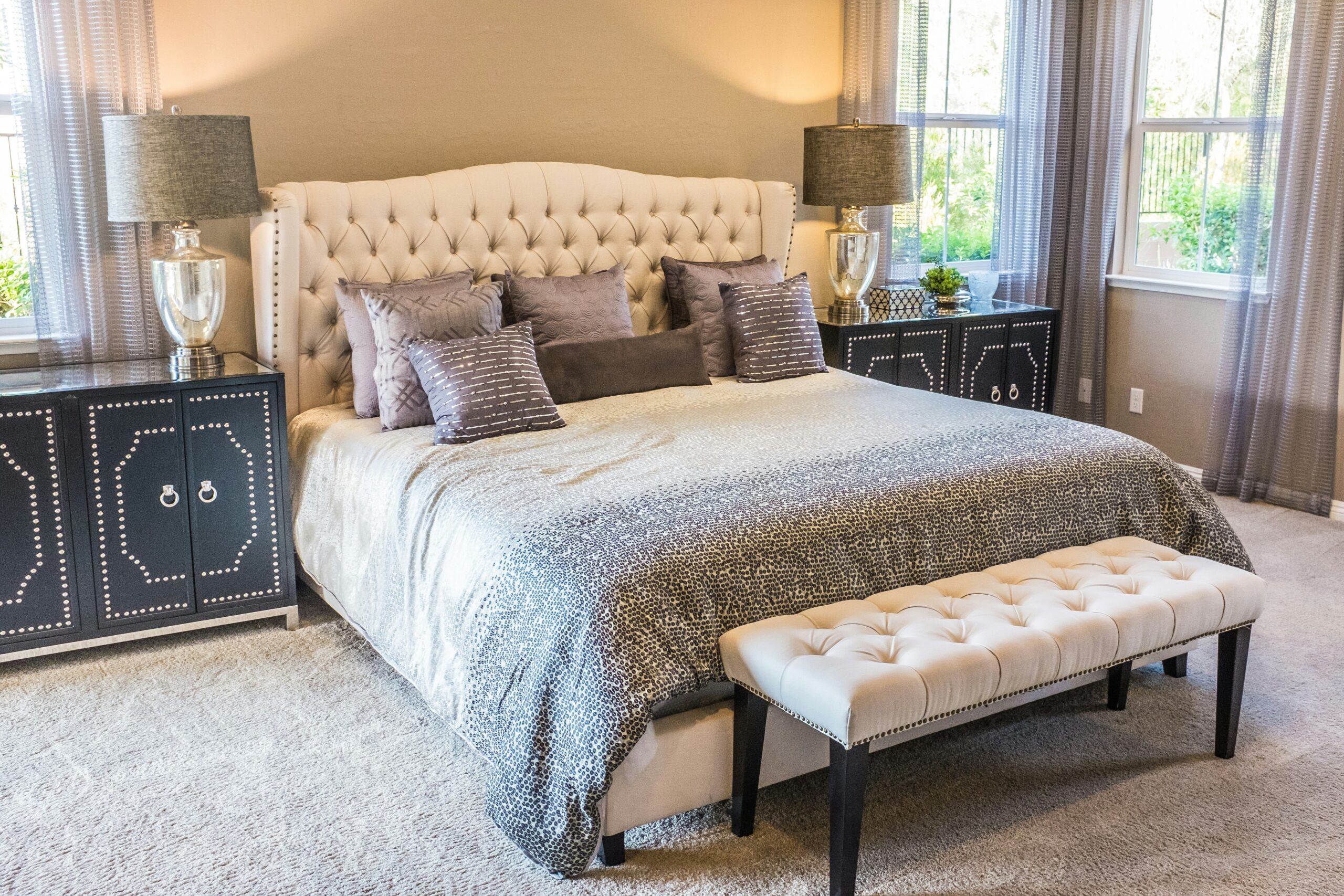
Prioritize Bedding Layers
Layered bedding immediately makes a room feel more luxurious.
Combine:
Crisp sheets
Soft quilts
Knit blankets
Decorative pillows
Linen duvets
Stick with complementary colors for a polished appearance.
Keep Nightstands Functional
Nightstands often become clutter magnets.
Maintain simplicity by including only essentials such as:
A lamp
A book
A candle
A small tray
Minimal greenery
A cleaner nightstand contributes to a more peaceful atmosphere.
Add Texture Through Rugs and Curtains
Soft materials create warmth and improve comfort.
Large area rugs, blackout curtains, and textured fabrics help bedrooms feel layered and inviting.
Bathroom Styling on a Budget
Bathrooms are often overlooked during decorating projects, but small improvements can make a major difference.
Focus on Spa-Like Details
Simple additions can create a relaxing spa-inspired look.
Try incorporating:
White towels
Wooden trays
Glass storage jars
Eucalyptus stems
Neutral shower curtains
These small changes instantly elevate the room.
Use Mirrors Strategically
Mirrors reflect light and visually expand smaller bathrooms.
Large framed mirrors often make the biggest impact while adding elegance to the space.
Maintain Visual Simplicity
Too many visible products create clutter.
Use baskets, cabinets, and containers to keep surfaces clean and organized.
Seasonal Decorating Without Overdoing It
Seasonal decorating keeps a home feeling fresh throughout the year.
The key is subtle transitions rather than complete redesigns.
Spring and Summer Decor
Warmer seasons work well with:
Lightweight fabrics
Fresh flowers
Bright greenery
Soft pastel accents
Natural textures
Switching heavy blankets for lighter materials instantly changes the atmosphere.
Fall and Winter Decor
Cooler months call for cozy elements.
Popular seasonal additions include:
Chunky knit throws
Warm candles
Darker accent colors
Layered rugs
Wooden decor pieces
These details make interiors feel comfortable during colder seasons.
Popular Interior Design Styles to Explore
Understanding different decorating styles helps homeowners create more cohesive interiors.
Modern Minimalism
Minimalist design focuses on simplicity, clean lines, and uncluttered spaces.
Characteristics include:
Neutral colors
Functional furniture
Open layouts
Limited decor
Clean surfaces
This style works especially well in smaller homes.
Modern Farmhouse
Modern farmhouse combines rustic warmth with contemporary simplicity.
Common elements include:
Shiplap walls
Black metal accents
Warm woods
Cozy textiles
Vintage-inspired pieces
This style remains popular because it feels approachable and welcoming.
Scandinavian Style
Scandinavian interiors prioritize comfort, functionality, and natural light.
You will often see:
Pale wood tones
White walls
Simple furniture
Soft textures
Minimal clutter
The overall effect feels calm and airy.
Eclectic Interiors
Eclectic design blends multiple influences while still maintaining harmony.
This style allows homeowners to express personality through:
Mixed textures
Bold artwork
Vintage finds
Layered patterns
Unique accessories
The key is balancing variety with consistency.
Budget-Friendly Decorating Strategies
You do not need an unlimited budget to create a stylish home.
In fact, some of the best home decor ideas thehometrotters focus on affordable upgrades with high visual impact.
Rearrange Existing Furniture
Sometimes a room only needs a better layout.
Experiment with:
Floating furniture away from walls
Creating conversation areas
Improving traffic flow
Changing focal points
These adjustments can completely refresh a space without spending money.
Refresh Walls Creatively
Walls have enormous visual influence.
Affordable wall updates include:
Peel-and-stick wallpaper
Gallery walls
Large mirrors
Framed prints
Painted accent walls
These changes add personality without major renovations.
Shop Secondhand
Vintage and secondhand pieces often add more character than mass-produced furniture.
Look for:
Wooden dressers
Antique mirrorsAccent chairs
Ceramic decor
Unique lighting fixtures
A little refinishing can make older pieces look stunning.
How to Create a Cohesive Home Aesthetic
One common decorating challenge is making rooms feel connected instead of random.
Repeat Colors Throughout the Home
Using recurring accent colors helps create visual continuity.
For example, if olive green appears in the living room, repeat it subtly in:
Pillows
Artwork
Kitchen accessories
Bedroom textiles
This creates flow without looking overly matched.
Balance Textures Carefully
Texture adds depth and prevents rooms from feeling flat.
Mix materials such as:
Linen
Velvet
Wood
Leather
Woven fibers
Metal accents
Combining contrasting textures creates richness and dimension.
Maintain Consistent Lighting Styles
Lighting fixtures should feel related even if they are not identical.
For example, matte black finishes or warm brass tones can appear consistently throughout the home.
Decorating Mistakes to Avoid
Even beautifully furnished homes can feel off when certain mistakes occur.
Using Furniture That Is Too Small
Undersized furniture often makes rooms feel awkward.
Measure carefully before purchasing major pieces.
Ignoring Scale and Proportion
Decor should complement the size of the room.
Large artwork can overwhelm small spaces, while tiny accessories may disappear in larger rooms.
Overcrowding Surfaces
Too many decorative items create visual noise.
Instead of displaying everything at once, curate collections thoughtfully.
Following Every Trend
Trends come and go quickly.
Rather than redesigning constantly, use trends sparingly through:
Pillows
Artwork
Decorative accents
Seasonal textiles
This keeps interiors timeless while still feeling current.
Sustainable Home Decorating Ideas
Sustainability is becoming increasingly important in modern interior design.
Many homeowners looking for home decor ideas thehometrotters are also interested in creating environmentally conscious spaces.
Choose Long-Lasting Materials
High-quality furniture lasts longer and reduces waste.
Solid wood, natural fabrics, and durable finishes are worthwhile investments.
Decorate With Plants
Indoor plants improve air quality while adding life and color.
Popular low-maintenance options include:
Snake plants
Pothos
ZZ plants
Peace lilies
Rubber plants
Plants also soften modern interiors beautifully.
Repurpose Existing Items
Before replacing furniture, consider whether it can be updated through:
Painting
Reupholstering
Refinishing
Hardware replacement
Small improvements often create dramatic transformations.
Home Office Decor That Improves Productivity
As remote work becomes more common, home offices need to balance function with comfort.
Prioritize Natural Light
Position desks near windows whenever possible.
Natural light improves mood, reduces eye strain, and makes workspaces feel more inviting.
Keep Storage Organized
Clutter negatively affects concentration.
Use:
Filing cabinets
Floating shelves
Desk organizers
Hidden storage solutions
An organized workspace improves efficiency.
Add Personal Touches
A workspace should still feel inspiring.
Include:
Artwork
Plants
Decorative books
Framed photos
Stylish desk lamps
These elements make home offices feel less sterile.
The Importance of Texture in Interior Design
Texture is one of the most overlooked elements of decorating.
Without texture, rooms often feel flat and unfinished.
Soft Textures
Soft materials create warmth and comfort.
Examples include:
- Boucle chairs
- Velvet cushions
- Knit blankets
- Plush rugs
These details encourage relaxation.
Hard Textures
Hard surfaces create balance and structure.
Examples include:
- Stone
- Glass
- Wood
- Metal
Combining soft and hard textures creates harmony.
How Lighting Changes the Entire Mood of a Home
Lighting affects every aspect of interior design.
Poor lighting can make even beautiful spaces feel dull.
Ambient Lighting
This is the main source of light in a room.
Examples include ceiling fixtures and recessed lighting.
Task Lighting
Task lighting improves functionality.
Common examples include:
- Reading lamps
- Desk lights
- Under-cabinet kitchen lighting
Accent Lighting
Accent lighting highlights decor and creates atmosphere.
Examples include:
- Wall sconces
- LED shelf lighting
- Picture lights
- Candles
Layering all three types creates balanced illumination.
FAQs
What makes home decor ideas thehometrotters different from generic decorating advice?
The focus is on realistic, livable interiors that balance style, comfort, and functionality instead of creating spaces that feel overly staged or impractical.
How can I decorate my home on a limited budget?
Start with small updates like rearranging furniture, adding new textiles, painting walls, and shopping secondhand for unique accent pieces.
Which interior design style is best for small homes?
Minimalist and Scandinavian styles work especially well because they emphasize simplicity, light colors, and efficient layouts.
How often should I update my home decor?
You do not need to redesign constantly. Seasonal updates and occasional refreshes are usually enough to keep spaces feeling current.
What colors make a room feel larger?
Light neutrals such as white, beige, pale gray, and soft taupe reflect more light and help rooms appear more open.
Are indoor plants important in home styling?
Yes. Plants improve air quality, soften interiors, and add natural texture and color to living spaces.
How can lighting improve interior design?
Layered lighting creates depth, improves functionality, and enhances the overall atmosphere of a room.
What is the easiest way to modernize outdated rooms?
Updating lighting fixtures, cabinet hardware, paint colors, and textiles can dramatically refresh older interiors without major renovations.
Conclusion
Creating a beautiful home is not about chasing perfection. It is about designing spaces that feel comfortable, functional, and deeply personal. The most memorable interiors reflect the people who live in them through thoughtful details, meaningful objects, and intentional design choices.
Whether you prefer minimalist simplicity, cozy farmhouse charm, or eclectic creativity, the right decorating approach should support your daily lifestyle while making your home feel inviting. By focusing on balance, texture, lighting, and practical organization, anyone can create interiors that feel polished without becoming overwhelming.
The growing interest in home decor ideas thehometrotters proves that homeowners today value authenticity and comfort just as much as style. With careful planning and a willingness to experiment, even small updates can completely transform the atmosphere of a home.