
Introduction
Some horror stories refuse to stay contained. They mutate, get retold, and quietly settle into the corners of the internet where curiosity meets fear. The phrase veraperformsanexorcism jane vs ann magnolia tree is one of those strange combinations that instantly feels loaded, as if you’ve stumbled onto a ritual mid-chant. It’s unsettling before you even know what it means.
At its core, this topic matters because it reflects how modern horror is built—not by studios, but by people. Forums, short videos, comment threads, and half-remembered posts turn fragments into myths. That collaborative fear is powerful, and it’s why readers keep searching for meaning behind this eerie clash.
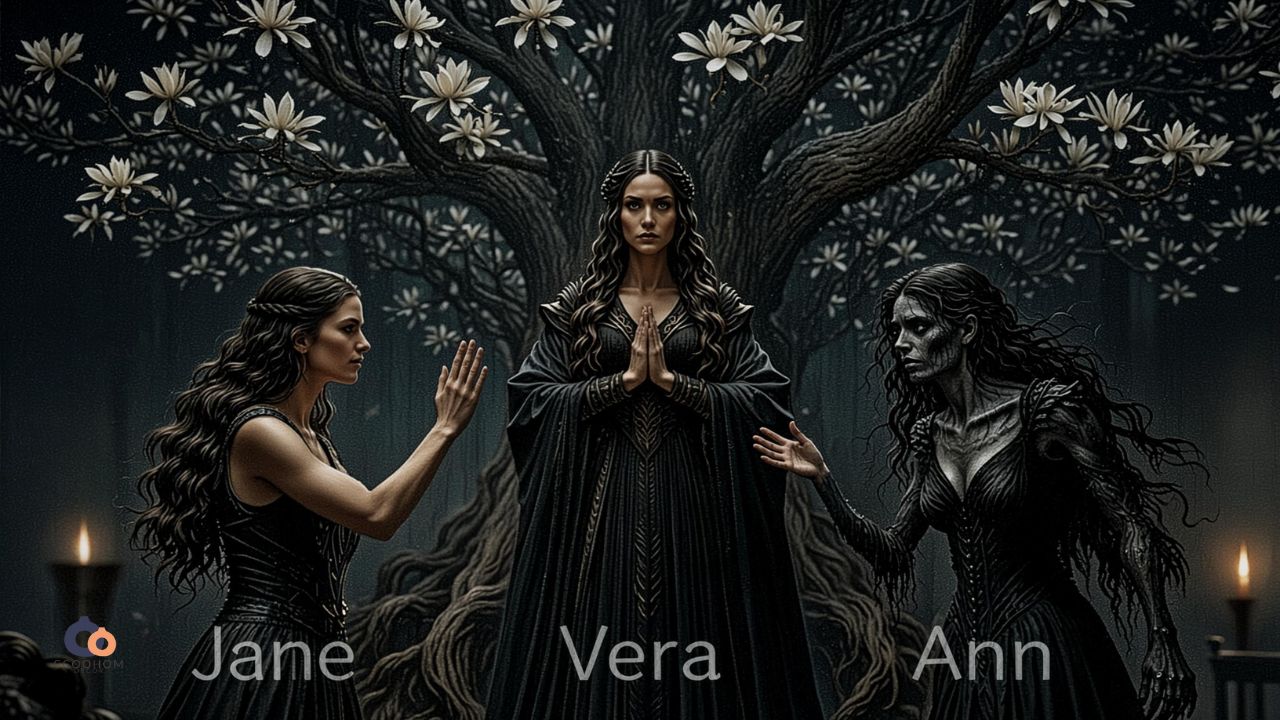
In reality, this isn’t just about an exorcism or a tree. It’s about how names, places, and symbols combine to create tension that feels real. When Jane and Ann are placed on opposite sides of a magnolia tree, the story taps into something deeply human: the fear of what watches silently while we argue, pray, or fight.
By the end of this article, you’ll understand where this lore came from, why it spread, and what makes it stick in the mind long after you close the tab.

Table of Contents
Origins of the Phrase
Breaking Down the Core Elements
veraperformsanexorcism jane vs ann magnolia tree Explained
The Magnolia Tree as a Horror Symbol
Jane vs Ann: Conflict as Narrative Fuel
How the Story Spread Online
Psychological Hooks Behind the Fear
Cultural and Folklore Influences
Modern Horror and Digital Mythmaking
FAQ
Conclusion
Origins of the Phrase
The first thing to understand is that this phrase didn’t arrive fully formed. Like many pieces of internet folklore, it appears to be stitched together from multiple narrative threads. “Vera performs an exorcism” reads like a ritual act, while “Jane vs Ann” introduces personal conflict, and the “magnolia tree” anchors everything to a place.
Early mentions show up in fragmented discussions—short horror prompts, comment replies, and speculative threads. No single author claims ownership. That ambiguity is part of the appeal. When something lacks a clear origin, readers fill the gaps themselves.
Over time, repetition hardened the structure. The words stayed the same, but interpretations shifted. Some saw it as a metaphorical story. Others treated it as a cursed narrative, the kind you’re warned not to read aloud at night.
Breaking Down the Core Elements
To really understand the story, it helps to separate its parts and look at them individually.
- Vera is often portrayed as a reluctant authority figure, someone performing an exorcism not out of faith, but necessity.
- Jane and Ann function as opposing forces. Sometimes they are sisters, sometimes rivals, sometimes reflections of the same person.
- The magnolia tree is the silent witness. It doesn’t act, but its presence shapes every outcome.
When these elements recombine, they create tension without needing explicit violence. That restraint is what makes the concept linger.
veraperformsanexorcism jane vs ann magnolia tree Explained
At its most popular interpretation, veraperformsanexorcism jane vs ann magnolia tree is a symbolic horror narrative. Vera’s exorcism is not just about removing a demon; it’s about choosing which truth survives. Jane and Ann represent conflicting memories or identities, and the magnolia tree stands as the keeper of what really happened.
In some versions, Vera fails. In others, the exorcism succeeds, but at a cost—one name disappears from the story entirely. Readers notice that the ending often changes depending on who is telling it, which reinforces the idea that the story feeds on uncertainty.
That uncertainty is intentional. Horror works best when it doesn’t answer everything.
The Magnolia Tree as a Horror Symbol
Trees are ancient symbols, but the magnolia carries a specific weight. Traditionally associated with purity and endurance, it becomes deeply unsettling when placed in a horror context.
In this lore, the magnolia tree:
- Represents memory that cannot be erased
- Acts as a boundary between the living and the unresolved
- Serves as a passive judge during the exorcism
The contrast between its real-world beauty and its fictional role creates discomfort. You’re used to magnolias being calm, even comforting. Here, they are anything but.
Jane vs Ann: Conflict as Narrative Fuel
Conflict between Jane and Ann is never just physical. It’s emotional, psychological, and often ambiguous. Some readers interpret them as two sides of the same person—before and after trauma.
This internal reading explains why neither can truly “win.” Even when one name fades, traces remain. That lingering presence is what makes readers revisit the story, searching for clues they missed.
On the other hand, when read literally, Jane vs Ann becomes a classic rivalry intensified by supernatural stakes. Either way, the tension feels personal, which is why it resonates.
How the Story Spread Online
The spread of this narrative follows a familiar digital pattern. Short, intriguing phrases spark curiosity. People repost without context. Others ask questions, and speculation explodes.
Platforms favor mystery. A phrase like veraperformsanexorcism jane vs ann magnolia tree looks like a code, almost an invitation. Once curiosity is triggered, algorithms do the rest.
Interestingly, no single “definitive” version exists. That lack of canon encourages participation. Readers become writers, adding details, revising endings, and keeping the myth alive.
Psychological Hooks Behind the Fear
Why does this story work so well? Psychologically, it hits several pressure points at once.
- Fear of unresolved conflict
- Anxiety around ritual failure
- Unease with silent observers
- Discomfort with unreliable memory
These elements combine to create a low-grade dread that doesn’t rely on shock. Instead, it creeps in slowly, which is often more effective.
That said, the story also invites reflection. Many readers report feeling unsettled not by what happens, but by what is left unsaid.
Cultural and Folklore Influences
Exorcism narratives have existed for centuries, but modern versions often strip away religious certainty. Vera’s role reflects that shift. She performs the ritual, but belief is optional.
The magnolia tree echoes folklore traditions where nature records human actions. In various cultures, trees are seen as witnesses or guardians of secrets. This story taps into that shared symbolic language, making it feel familiar even when the details are strange.
Modern Horror and Digital Mythmaking
This lore is a perfect example of how horror has evolved online. Instead of campfire stories, we have comment sections. Instead of oral tradition, we have reposts and screenshots.
The collaborative nature of this process means stories never truly end. Each retelling slightly alters the meaning, ensuring relevance. That’s why phrases like veraperformsanexorcism jane vs ann magnolia tree continue to surface—they’re flexible, adaptable, and emotionally charged.
FAQ
What does veraperformsanexorcism jane vs ann magnolia tree actually mean?
It’s a composite horror phrase representing a ritual, a conflict, and a symbolic location, often interpreted metaphorically rather than literally.
Is this based on a real event?
No verified real-world event exists. The narrative appears to be entirely fictional, shaped by online storytelling.
Why is the magnolia tree important?
The magnolia tree functions as a symbol of memory and silent judgment, grounding the story in a physical space.
Are Jane and Ann real people?
They are fictional characters whose identities shift depending on interpretation.
Who created this story?
There is no confirmed creator. The story evolved through collective online contributions.
Why does the ending change in different versions?
The lack of a fixed ending encourages engagement and keeps the myth alive.
Is this considered creepypasta?
Many readers classify it as creepypasta, though it doesn’t follow a single traditional format.
Why do people find it unsettling?
Because it relies on ambiguity, emotional conflict, and symbolic fear rather than explicit horror.
Conclusion
Stories like this endure because they refuse to explain themselves fully. veraperformsanexorcism jane vs ann magnolia tree isn’t just a phrase; it’s a shared experience shaped by curiosity, fear, and imagination. In a digital age flooded with information, sometimes the most powerful stories are the ones that leave you wondering what you just witnessed—and whether it’s truly over.