Introduction
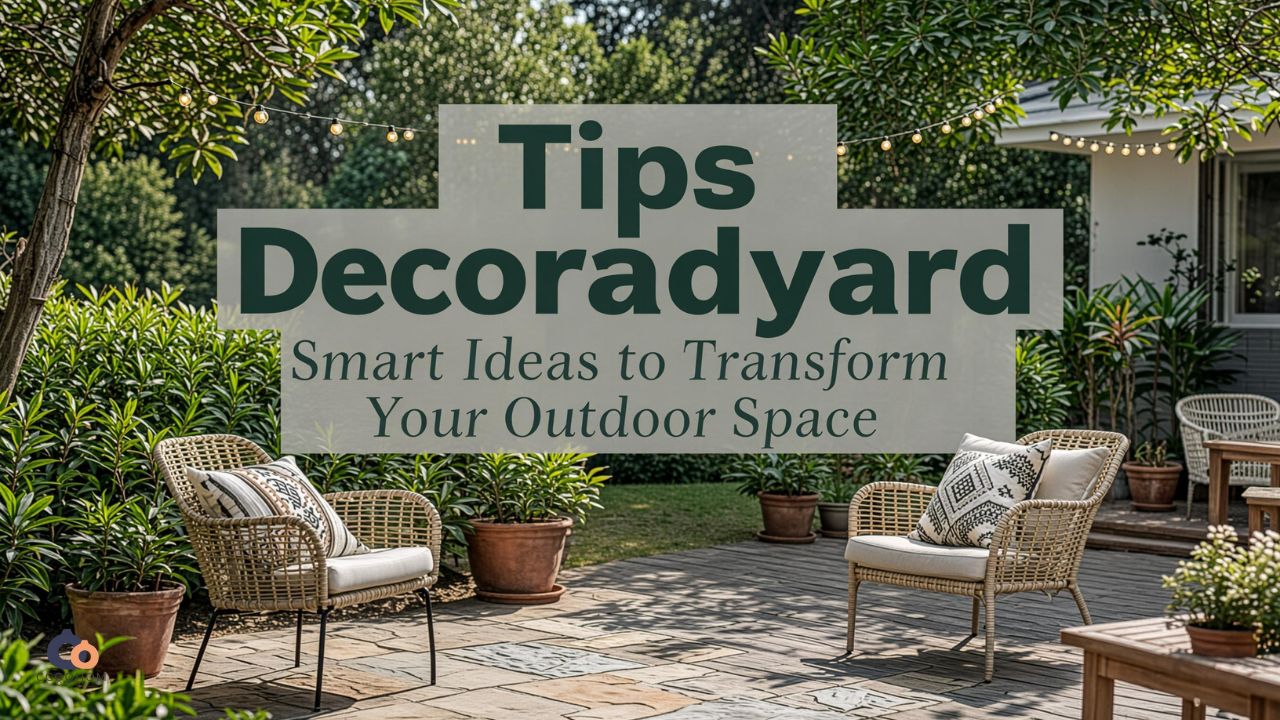
A yard isn’t just empty land around your home—it’s emotional space. It’s where mornings feel calmer, evenings stretch longer, and small moments quietly turn into memories. Yet many people ignore it because decorating outdoors feels complicated or expensive. That’s where tips decoradyard guidance becomes genuinely helpful.
In reality, creating a beautiful yard doesn’t demand professional landscapers or massive budgets. What it needs is clarity—what works, what doesn’t, and where effort actually pays off. With the right approach, even the most ordinary outdoor area can feel intentional and inviting.
This guide is written the way a friend would explain things to you—practical, honest, and rooted in experience. Whether you have a compact backyard, a front lawn, or a neglected patio corner, these insights will help you see your outdoor space differently and use it better.

Table of Contents
Understanding Decoradyard Basics
Planning Before Decorating Your Yard
Tips Decoradyard for Small Spaces
Choosing the Right Outdoor Furniture
Lighting Techniques That Change Everything
Plants, Greenery, and Natural Balance
Budget-Friendly Decoradyard Strategies
Seasonal Styling for Year-Round Appeal
Common Decoradyard Mistakes to Avoid
FAQ
Conclusion
Understanding Decoradyard Basics

Decoradyard is not about filling space; it’s about shaping experience. At its core, it blends outdoor design, functionality, and emotional comfort. Unlike indoor décor, outdoor styling must respect weather, durability, and natural flow.
A well-designed yard usually balances three elements:
- Visual harmony (colors, textures, shapes)
- Practical use (seating, movement paths, shade)
- Emotional comfort (privacy, warmth, relaxation)
When people search for tips decoradyard solutions, they are often overwhelmed by ideas that look good online but fail in real life. The goal here is to help you avoid that trap and focus on what actually works outside.
Planning Before Decorating Your Yard
Before buying a single item, pause. Walk into your yard at different times of day. Notice sunlight, shadows, wind, and how you naturally move through the space.
Define the Purpose First
Ask yourself a simple question: what do I want to do here?
- Relax after work
- Host friends or family
- Create a kids’ play area
- Grow plants or herbs
Each purpose demands different decoradyard choices. A relaxation-focused yard prioritizes seating and lighting, while a social space needs openness and durability.
Measure and Zone Your Space
One of the most overlooked tips decoradyard experts agree on is zoning. Even small yards benefit from visual sections—sitting, walking, greenery. Zoning prevents clutter and creates natural flow without physical walls.
Tips Decoradyard for Small Spaces
Small yards often outperform large ones when designed correctly. Limited space forces smarter decisions.
Vertical Design Matters
Instead of spreading horizontally, go up:
- Wall-mounted planters
- Vertical trellises
- Hanging lanterns or string lights
This keeps the ground open and visually expands the area.
Use Multi-Functional Pieces
Furniture that serves more than one purpose is gold:
- Benches with storage
- Foldable chairs
- Tables that double as planters
These are real-world tips decoradyard users rely on when space is tight.
Keep Color Simple
Too many colors shrink space visually. Stick to one base tone and two accents. Neutral bases with natural wood or greenery feel calm and spacious.
Choosing the Right Outdoor Furniture
Outdoor furniture fails when it looks good but feels uncomfortable or breaks fast.
Materials That Actually Last
Different climates demand different materials:
- Aluminum resists rust and feels modern
- Treated wood feels warm but needs maintenance
- Resin wicker offers balance between comfort and durability
Comfort should never be secondary. If seating isn’t comfortable, the yard won’t be used—no matter how stylish it looks.
Scale Is Everything
Oversized furniture overwhelms yards. Compact sets with clean lines almost always win. One strong seating arrangement beats multiple weak ones.
Lighting Techniques That Change Everything
Lighting is emotional. It defines mood more than décor itself.
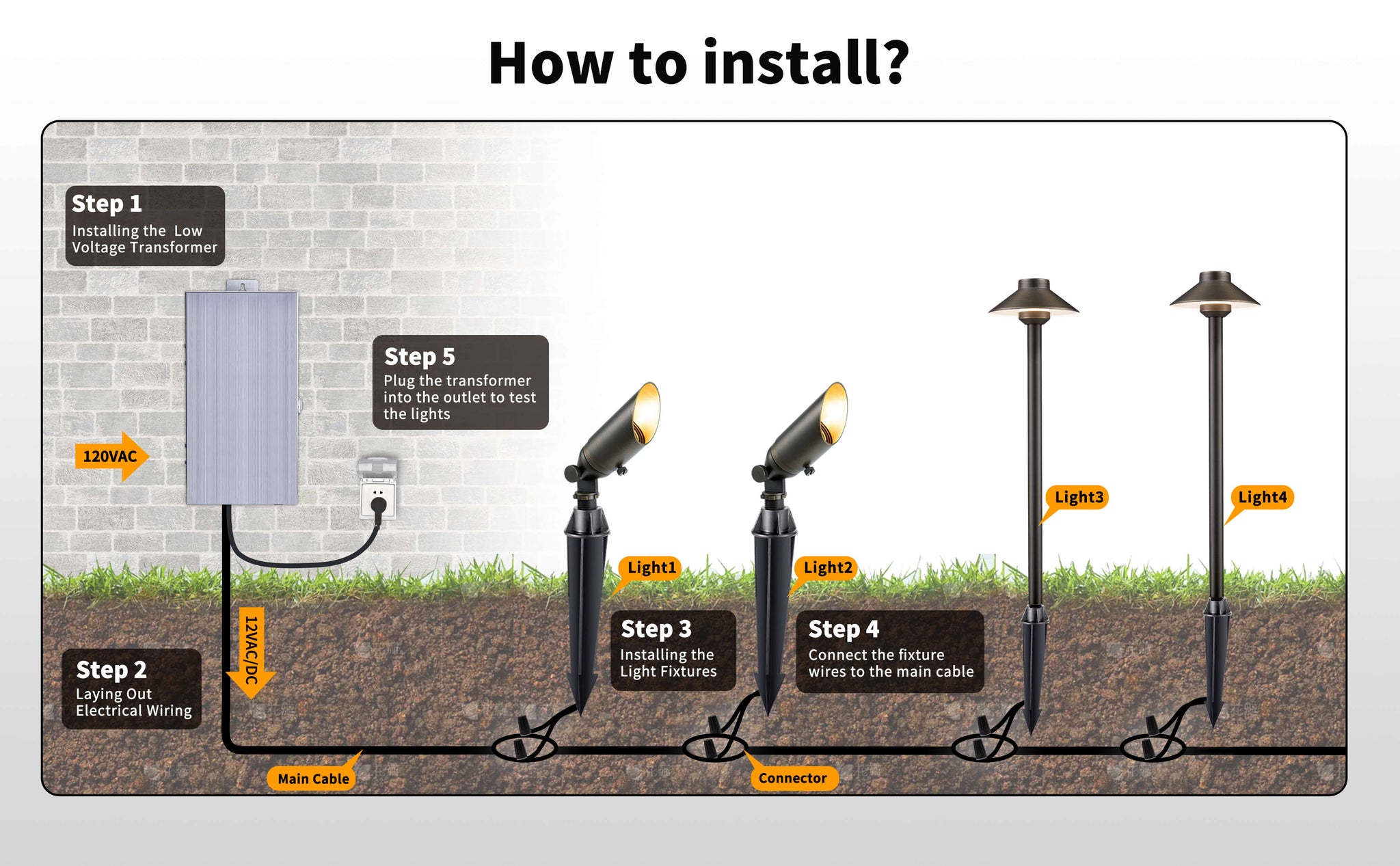
Layered Lighting Approach
Use more than one type:
- Ambient: string lights or solar lamps
- Task: pathway or stair lighting
- Accent: spotlights for plants or textures
According to outdoor design studies, layered lighting can increase perceived space by nearly 30%. That’s why experienced designers treat lighting as structure, not decoration.


Warm Light Always Wins
Cold white lights feel harsh outdoors. Warm tones create intimacy and reduce visual fatigue. This single choice separates amateur setups from professional-looking yards.
Plants, Greenery, and Natural Balance
Plants soften hard edges. They hide flaws, guide movement, and make spaces feel alive.
Choose Plants for Lifestyle, Not Looks
If maintenance feels like stress, go low-care:
- Native plants
- Perennials
- Drought-resistant greenery
One of the smartest tips decoradyard planners follow is designing for consistency, not perfection. Healthy plants always look better than dramatic ones that struggle.
Balance Hard and Soft Elements
Too much concrete feels cold. Too much greenery feels wild. Balance is key—stone paths with soft borders, wooden decks with planters.
Budget-Friendly Decoradyard Strategies
Great yards aren’t expensive—they’re intentional.
Spend Where It Matters
Prioritize:
- Seating comfort
- Lighting quality
- Structural elements
Decor items like cushions or accessories can be swapped cheaply over time.
DIY Without Looking Cheap
DIY works when done selectively:
- Painted planters
- Gravel pathways
- Wooden pallets (finished properly)
Avoid overdoing it. One strong DIY feature feels thoughtful; many feel chaotic.
Seasonal Styling for Year-Round Appeal
A yard shouldn’t disappear in certain seasons.
Summer
Focus on shade, airflow, and hydration-friendly seating.
Autumn
Warm colors, textured fabrics, and fire elements bring coziness.
Winter
Evergreen plants, soft lighting, and minimal décor keep things alive visually.
Spring
Fresh blooms, lighter fabrics, and cleaning rituals reset the space.
Rotating small elements seasonally keeps decoradyard styling fresh without redesigning everything.
Common Decoradyard Mistakes to Avoid
Even experienced homeowners slip here.
- Overcrowding furniture
- Ignoring drainage
- Using indoor-only materials
- Forgetting privacy needs
- Copying designs without adapting them
Most decor failures aren’t about taste—they’re about context. Outdoor spaces demand realism.
FAQ
Frequently Asked Questions
What does decoradyard actually mean?
Decoradyard refers to the intentional design and decoration of outdoor yard spaces to improve aesthetics, comfort, and usability.
Are tips decoradyard useful for renters?
Yes. Focus on movable décor, lighting, and planters that don’t require permanent changes.
How much should I budget for yard décor?
Many functional upgrades can be done under a modest budget by prioritizing essentials and avoiding impulse buys.
Can a small yard still feel luxurious?
Absolutely. Small spaces often feel more refined when designed with restraint and quality materials.
How often should outdoor décor be updated?
Structural elements last years. Accessories can be refreshed seasonally or annually.
Is lighting more important than furniture?
In many cases, yes. Lighting determines mood and usability even more than furniture.
What’s the fastest way to improve a dull yard?
Declutter, add warm lighting, and introduce greenery. These three changes deliver immediate impact.
Conclusion
A thoughtfully designed yard doesn’t shout—it invites. It doesn’t impress for a moment; it comforts over time. When applied with care, tips decoradyard principles help you create outdoor spaces that feel natural, usable, and emotionally satisfying.
The best yards aren’t copied from trends. They’re shaped by real life—your habits, your climate, your moments. Start small, stay intentional, and let your outdoor space grow with you.