Introduction
Children learn best when curiosity leads the way. Parents today are constantly searching for trusted online spaces that combine creativity, learning, and practical parenting support without making education feel stressful or overwhelming. That is exactly why llblogkids educational by lovelolablog has become a growing point of interest among families looking for engaging educational inspiration.
Related homepage: https://capcutguide.com/
From interactive learning ideas to simple home activities that encourage imagination, this platform speaks directly to modern parents who want meaningful experiences for their children. Instead of rigid lessons or overly academic approaches, the focus stays on making learning enjoyable, accessible, and naturally woven into daily life.
Families are increasingly turning toward educational blogs and parenting communities that feel authentic and helpful. With so many online resources competing for attention, it can be difficult to know which ones genuinely provide value. Parents want trustworthy information, realistic activities, and guidance that actually works for busy households.
The popularity of llblogkids educational by lovelolablog reflects a larger shift in how families approach education. Learning is no longer limited to classrooms and textbooks. It now includes storytelling, sensory play, creative exploration, emotional development, and digital literacy, all working together to support a child’s growth.
Why Modern Parents Value Educational Lifestyle Platforms
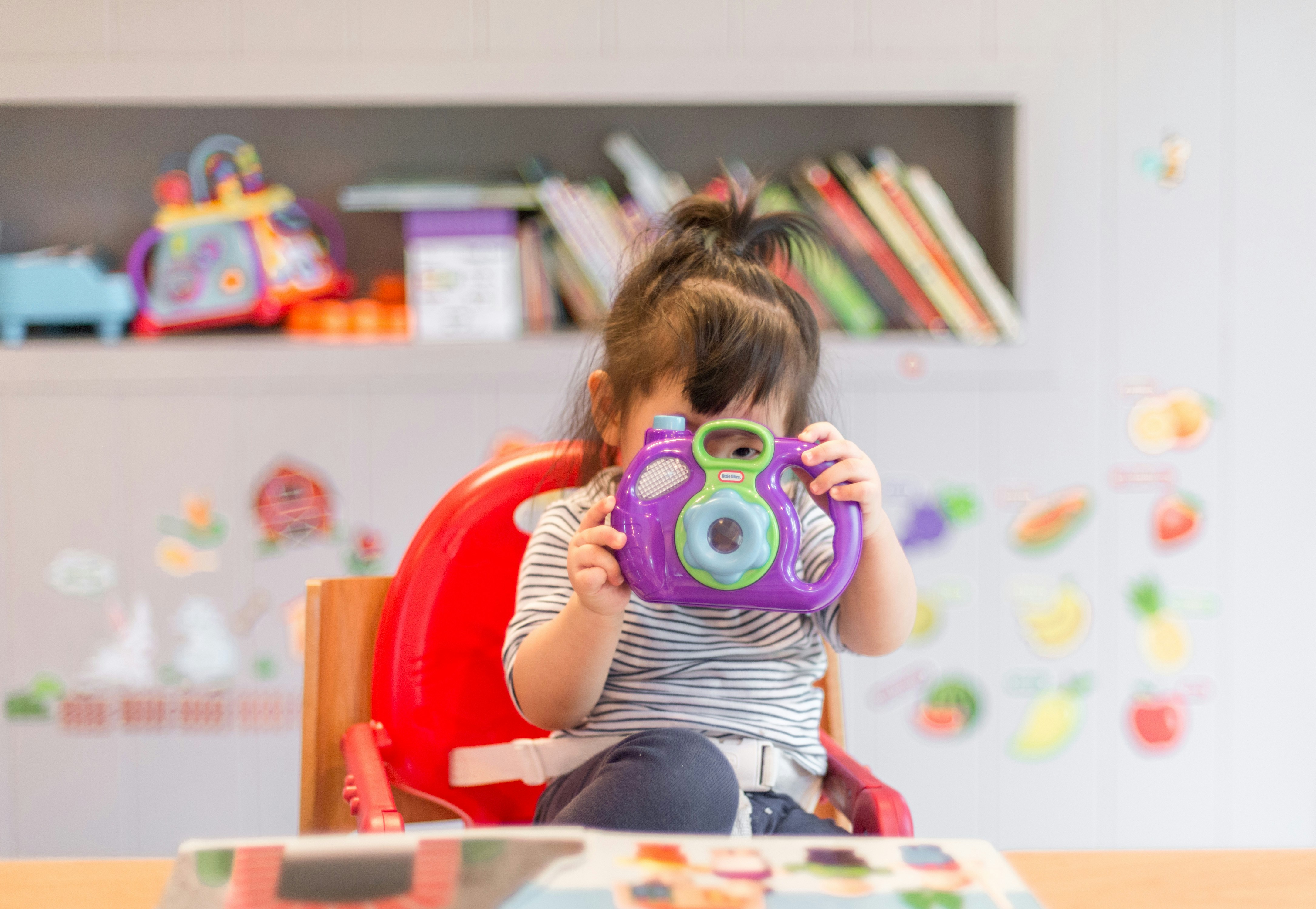
Parents today face a very different educational landscape than previous generations. Between online learning tools, extracurricular activities, social development concerns, and increasing screen time, families are searching for balanced solutions that support both education and emotional wellbeing.
Educational lifestyle platforms bridge the gap between traditional learning and everyday parenting. Instead of focusing only on academics, they help families create healthy routines, positive learning environments, and opportunities for creative expression.
Learning Beyond the Classroom
Children absorb information everywhere. They learn while cooking with parents, playing outdoors, reading bedtime stories, and participating in art projects. Educational platforms that recognize this broader learning approach often resonate more strongly with families.
Many parents appreciate how resources inspired by llblogkids educational by lovelolablog encourage practical learning experiences instead of passive content consumption. This hands-on style helps children stay engaged while building confidence naturally.
Encouraging Independent Thinking
One of the biggest challenges modern parents face is teaching children how to think independently rather than simply memorize information. Creative educational blogs often introduce activities that encourage problem-solving, communication, and curiosity.
These approaches can include:
Open-ended storytelling prompts
DIY science experiments
Sensory learning activities
Creative writing games
Reading challenges
Nature exploration tasks
Art-based learning exercises
By encouraging exploration rather than perfection, children often develop stronger long-term learning habits.
The Educational Philosophy Behind llblogkids educational by lovelolablog
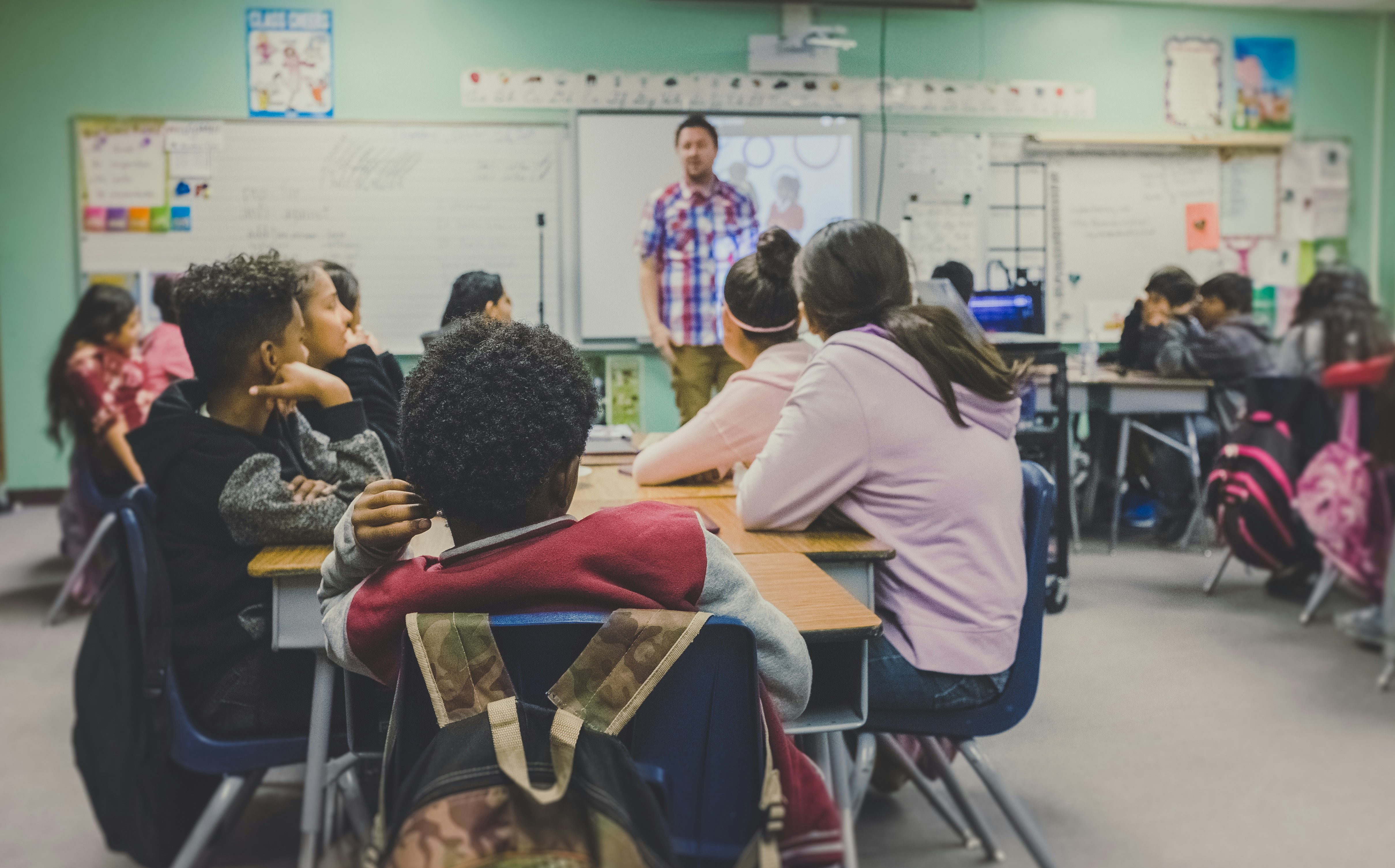
The growing attention around llblogkids educational by lovelolablog comes from its ability to combine educational support with warmth and creativity. Parents are no longer interested in cold, rigid educational systems that ignore emotional development.
Instead, families are seeking approaches that:
Promote curiosity
Reduce learning pressure
Encourage communication
Support emotional intelligence
Balance screen time and active play
Build confidence through creativity
Play-Based Learning Matters
Play is not simply entertainment for children. Research consistently shows that play-based learning strengthens cognitive development, language skills, and social interaction.
When children engage in imaginative activities, they naturally practice decision-making, emotional regulation, collaboration, and problem-solving. This style of learning feels organic rather than forced.
Parents who explore content related to llblogkids educational by lovelolablog often appreciate how educational moments are integrated into enjoyable family experiences instead of strict academic schedules.
Emotional Development and Learning
Educational success is closely connected to emotional wellbeing. Children who feel safe, supported, and encouraged are generally more willing to take learning risks and explore new ideas.
Modern educational resources increasingly highlight:
Positive reinforcement
Emotional communication
Mindfulness for children
Confidence-building activities
Collaborative family learning
These strategies create healthier learning environments while reducing unnecessary stress for both parents and children.
Creating Meaningful Learning Spaces at Home
A child’s environment strongly influences focus, imagination, and motivation. Creating a productive learning space does not require expensive furniture or elaborate homeschooling setups.
Simple adjustments can dramatically improve engagement.
Tips for Building a Child-Friendly Learning Area
Parents can create inspiring educational environments by focusing on comfort, accessibility, and creativity.
Helpful ideas include:
Use natural lighting whenever possible.
Keep books within easy reach.
Display children’s artwork proudly.
Include hands-on materials like puzzles and blocks.
Rotate educational toys regularly.
Add calming colors and organized storage.
Create reading corners for quiet time.
These small changes encourage children to associate learning with comfort and creativity.
Balancing Technology and Offline Activities
Technology is now deeply integrated into modern education, but balance remains essential. Excessive screen exposure can sometimes reduce attention spans and limit physical activity.
Many parenting educators connected to the ideas behind llblogkids educational by lovelolablog emphasize blending digital tools with hands-on learning experiences.
A healthy educational balance may include:
Interactive learning apps in moderation
Outdoor exploration
Printable educational games
Family discussions
Hands-on crafts
Reading physical books
Music and movement activities
This balanced approach helps children develop adaptable learning habits.

The Importance of Creative Learning for Childhood Development
Creativity is often underestimated in educational systems focused heavily on testing and academic performance. However, creative thinking is essential for innovation, adaptability, and emotional growth.
Children who participate in creative activities frequently develop stronger communication skills and greater confidence when expressing ideas.
How Creative Learning Builds Critical Skills
Creative educational activities support multiple areas of child development simultaneously.
For example:
| Activity | Skills Developed |
|---|---|
| Storytelling | Language and imagination |
| Building projects | Problem-solving and motor skills |
| Drawing and painting | Emotional expression and creativity |
| Group games | Communication and teamwork |
| Music activities | Memory and listening skills |
This layered development helps children become more flexible and resilient learners.
Supporting Different Learning Styles
Every child learns differently. Some children absorb information visually, while others learn better through movement, sound, or hands-on interaction.
Parents exploring llblogkids educational by lovelolablog often discover ideas that accommodate various learning preferences rather than expecting every child to follow identical methods.
Recognizing learning differences helps children:
Feel more confident
Stay motivated
Reduce frustration
Improve retention
Enjoy learning experiences
Flexibility in education can make a major difference in long-term academic engagement.
How Parents Can Encourage Lifelong Learning Habits
The goal of childhood education should extend beyond grades or test performance. Lifelong learning habits prepare children to adapt, explore, and continue growing throughout adulthood.
Children who develop natural curiosity early often become more independent learners later in life.
Practical Ways to Encourage Curiosity
Parents do not need formal teaching backgrounds to support meaningful learning at home. Small daily habits can make a significant impact.
Examples include:
Asking open-ended questions
Encouraging children to explain ideas
Reading together consistently
Visiting museums or parks
Allowing time for free play
Supporting hobbies and interests
Celebrating effort instead of perfection
These habits help children see learning as enjoyable rather than stressful.
The Role of Positive Reinforcement
Positive reinforcement builds confidence and resilience. Children who feel encouraged are more likely to continue trying after mistakes.
Instead of focusing only on outcomes, many modern educational approaches emphasize:
Effort
Persistence
Creativity
Problem-solving
Emotional growth
This mindset encourages healthier academic relationships and reduces fear of failure.
Why Community-Based Parenting Resources Matter
Parenting can feel overwhelming, especially in a digital world filled with conflicting advice. Educational communities and blogs provide reassurance, practical ideas, and emotional support.
Families often value platforms that feel relatable rather than overly polished or unrealistic.
Shared Experiences Build Trust
Parents connect more deeply with educational content that reflects real-life family experiences. Authenticity helps readers feel understood instead of judged.
The appeal of llblogkids educational by lovelolablog partly comes from the growing demand for supportive parenting spaces that encourage learning without creating unrealistic expectations.
Modern parents appreciate guidance that acknowledges:
Busy schedules
Emotional challenges
Different parenting styles
Budget limitations
Educational pressure
Screen time concerns
This realistic approach feels more sustainable for everyday life.
Building Stronger Parent-Child Connections
Educational activities can strengthen family relationships when approached collaboratively.
Simple shared experiences like reading stories, crafting, gardening, or cooking together create valuable bonding opportunities while supporting learning at the same time.
Children often remember these emotional experiences more vividly than formal lessons.
The Growing Trend of Personalized Learning
Traditional one-size-fits-all education models are gradually evolving. Parents increasingly recognize the value of personalized learning experiences tailored to their child’s interests, strengths, and developmental pace.
Personalized learning does not mean eliminating structure. Instead, it means adapting educational experiences to better match a child’s natural curiosity and abilities.
Adapting Education to Individual Interests
Children become more engaged when lessons connect to topics they genuinely enjoy.
For example:
Dinosaur-themed reading exercises
Space science experiments
Animal-based math games
Art-inspired history projects
Music-centered language learning
When children feel emotionally connected to a topic, retention and motivation often improve significantly.
The educational ideas associated with llblogkids educational by lovelolablog frequently align with this child-centered learning philosophy.
Encouraging Confidence Through Flexibility
Rigid educational expectations can sometimes discourage children who learn differently or need additional time.
Flexible learning environments help children:
Explore ideas freely
Build confidence gradually
Develop independent interests
Feel less pressure
Strengthen self-expression
Confidence often becomes one of the strongest predictors of long-term educational success.
Educational Activities Families Can Try Together
Parents looking for meaningful educational experiences do not need expensive programs or advanced materials. Many valuable learning opportunities can happen using simple household items.
Easy Home Learning Activities
Here are several family-friendly educational ideas:
Story Jar Writing Game
Place creative prompts inside a jar and let children randomly select one to inspire storytelling.
Kitchen Science Experiments
Simple baking soda and vinegar reactions can introduce children to basic chemistry concepts in an exciting way.
Nature Observation Walks
Encourage children to identify plants, insects, and weather patterns during outdoor walks.
Reading Challenge Calendars
Create monthly reading goals with small rewards for consistency.
DIY Art Projects
Use recycled materials for creative building and design activities.
These activities help reinforce learning while creating memorable family moments.
The Role of Consistency in Educational Growth
Consistency matters more than perfection in childhood learning.
Short, regular educational interactions are often more effective than occasional intense study sessions. Children benefit from predictable routines that make learning feel natural and manageable.
Building Sustainable Learning Routines
Parents can support consistency by:
Setting regular reading times
Limiting distractions during activities
Keeping educational materials accessible
Encouraging curiosity daily
Creating achievable goals
Sustainable habits reduce stress while helping children stay engaged over time.
Avoiding Burnout for Parents and Children
Educational pressure can quickly lead to frustration if families attempt to do too much at once.
Healthy educational environments allow room for:
Rest
Free play
Emotional conversations
Flexible schedules
Unstructured creativity
Balanced learning experiences often produce better long-term outcomes than highly rigid systems.
FAQ
What is llblogkids educational by lovelolablog?
It is an educational and parenting-focused concept that highlights creative learning, family activities, child development support, and practical educational inspiration for modern families.
Why are parents interested in educational lifestyle blogs?
Parents appreciate educational blogs because they offer practical learning ideas, emotional support, parenting guidance, and creative activities that fit everyday family life.
How can creative learning help children?
Creative learning improves problem-solving skills, confidence, communication abilities, emotional expression, and overall engagement with educational experiences.
Are educational activities at home effective?
Yes. Home-based learning activities can strengthen academic skills, emotional development, curiosity, and family relationships when approached consistently.
How much screen time is healthy for children?
Healthy screen time depends on age and balance. Many experts recommend combining digital learning with offline play, physical activity, and social interaction.
Can parents support learning without teaching experience?
Absolutely. Parents can encourage learning through reading, conversations, creative projects, outdoor exploration, and emotional support.
Why is play-based learning important?
Play-based learning helps children build creativity, social skills, emotional intelligence, communication abilities, and problem-solving confidence.
What makes personalized learning valuable?
Personalized learning supports a child’s natural interests and learning style, helping improve motivation, confidence, and long-term engagement.
Conclusion
Modern education is evolving beyond worksheets and traditional classrooms. Families now recognize the importance of emotional wellbeing, creativity, curiosity, and meaningful connection in a child’s educational journey.
The growing popularity of llblogkids educational by lovelolablog reflects a broader movement toward balanced, engaging, and child-centered learning experiences. Parents are increasingly seeking educational support that feels realistic, flexible, and emotionally supportive rather than rigid or overwhelming.
By encouraging curiosity, creative exploration, positive communication, and hands-on learning, families can help children build confidence that extends far beyond academics. Whether through storytelling, outdoor adventures, reading routines, or collaborative projects, small daily learning moments often create the strongest lifelong impact.
Education works best when children feel inspired to explore the world around them. When learning becomes enjoyable, supportive, and emotionally connected, children are far more likely to carry that curiosity with them throughout life.