Introduction
Walk into any beautifully designed space today, and you can feel it instantly—homes are no longer just functional shelters, they’re emotional ecosystems. The way we design our interiors now reflects how we live, work, rest, and even heal. That shift is exactly why interior design trends have become such a powerful topic for homeowners, designers, and lifestyle enthusiasts alike.
Over the last few years, interior spaces have evolved dramatically. Remote work, wellness awareness, sustainability concerns, and technological integration have reshaped how rooms are planned and styled. In reality, design is no longer about copying Pinterest boards—it’s about intentional living.
This guide explores where interior design is heading, why these changes matter, and how you can adapt them thoughtfully. Whether you’re redesigning a single room or planning a full renovation, understanding today’s trends will help you create a space that feels current, personal, and timeless.


Table of Contents
Interior Design Trends Defining Modern Living
Sustainable and Eco-Conscious Interiors
Color Palettes Shaping Today’s Homes
Furniture and Layout Evolution
Materials and Textures Taking Center Stage
Smart Technology in Interior Spaces
Biophilic and Wellness-Focused Design
Luxury Redefined: Quiet, Personal, Intentional
Interior Designers’ Career Background and Industry Growth
Frequently Asked Questions
Conclusion
Interior Design Trends Defining Modern Living
Interior design today is driven by lifestyle rather than aesthetics alone. Homes are now multi-functional environments where comfort, flexibility, and emotional well-being matter as much as visual appeal.
What Are Interior Design Trends?
Interior design trends refer to recurring patterns in layout, materials, colors, furniture styles, and spatial planning that reflect cultural, technological, and lifestyle changes. These trends don’t appear randomly; they respond to how people live and what they value.
In recent years, interior design trends have shifted away from excess and toward intentional simplicity. Instead of decorative overload, homeowners are prioritizing meaningful pieces, adaptable spaces, and long-term usability.
Why Trends Matter More Than Ever
Unlike fashion, interior design trends evolve slowly but leave lasting impact. A poorly planned interior can feel outdated within a few years, while a trend-aware design stays relevant longer. That said, trends should guide—not dictate—your decisions.
Key drivers behind current trends include:
- Remote and hybrid work culture
- Rising environmental awareness
- Mental health and wellness priorities
- Smaller living spaces in urban areas
- Rapid smart-home adoption
Sustainable and Eco-Conscious Interiors
Sustainability is no longer optional; it’s a baseline expectation. Homeowners are actively seeking interiors that reduce environmental impact without compromising style.
Reclaimed and Renewable Materials
Wood reclaimed from old structures, bamboo flooring, cork walls, and recycled metals are becoming mainstream. These materials offer character while reducing demand for new resources.
Low-VOC and Natural Finishes
Paints, adhesives, and finishes with low volatile organic compounds are preferred for healthier indoor air quality. Limewash walls and clay-based plasters are gaining popularity for their breathable, organic feel.
Sustainable Design in Practice
Sustainable interiors focus on durability over disposability. Instead of replacing furniture frequently, people are investing in high-quality, timeless pieces. This shift is redefining interior design trends toward longevity rather than novelty.
Color Palettes Shaping Today’s Homes
Color trends reveal how people want their homes to feel emotionally.
Earth-Inspired Neutrals
Warm beiges, soft taupes, muted browns, and clay tones dominate modern interiors. These colors ground a space and create calm, adaptable environments.
Muted Greens and Blues
Sage green, olive, and dusty blue are being used to connect interiors with nature. These hues work particularly well in bedrooms, living rooms, and home offices.
Strategic Use of Bold Accents
Rather than full bold walls, designers now use accent furniture, art, or lighting to introduce color. This approach keeps interiors flexible as tastes evolve.
Furniture and Layout Evolution
Furniture design has adapted to the reality of smaller spaces and flexible living.
Modular and Multi-Purpose Furniture
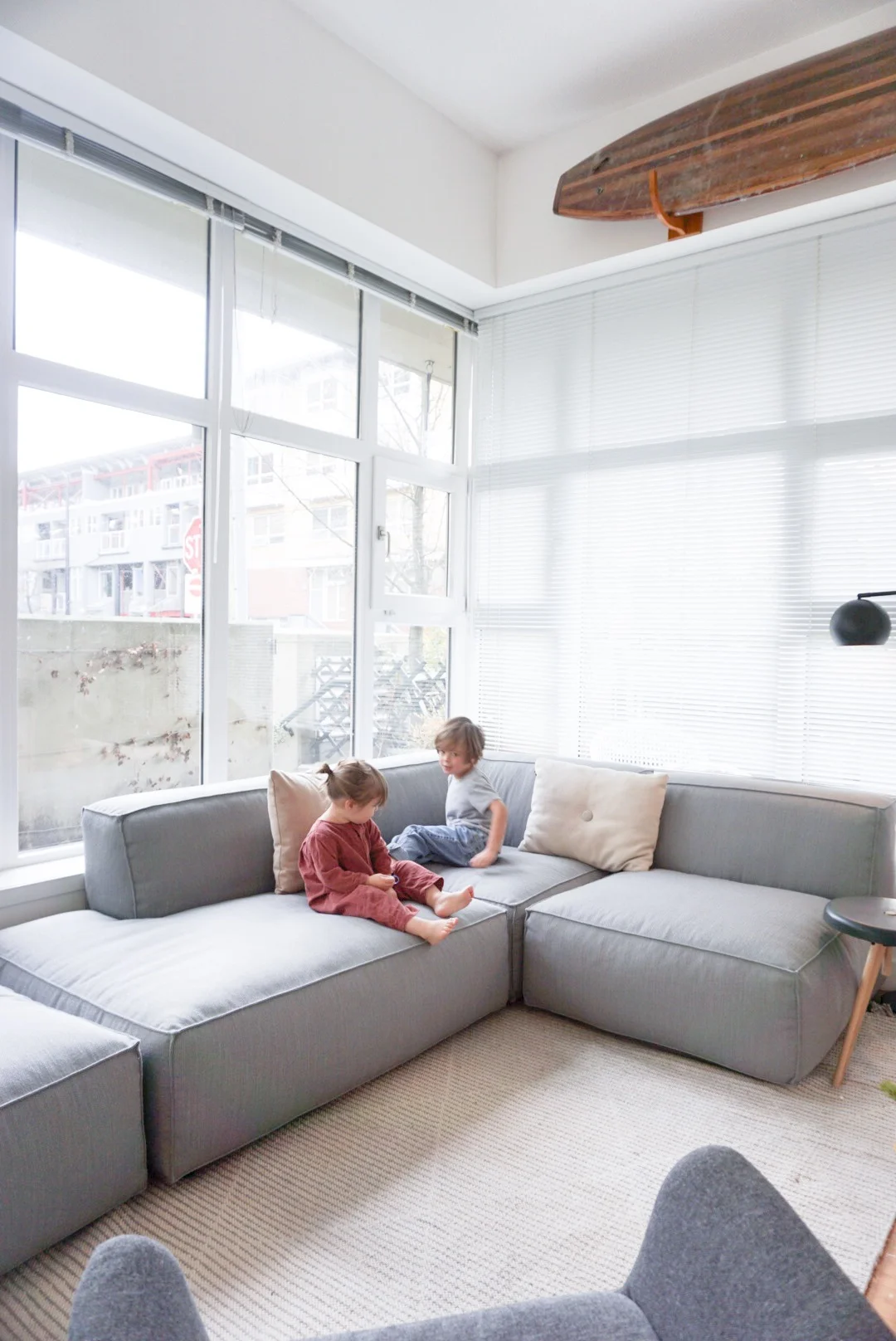
Sofas that convert into beds, expandable dining tables, and storage-integrated seating are now essential. This trend supports urban living without sacrificing comfort.
Curved and Soft Silhouettes
Sharp edges are being replaced by curves. Rounded sofas, arched doorways, and circular tables soften interiors and make spaces feel more welcoming.
Open Yet Zoned Spaces
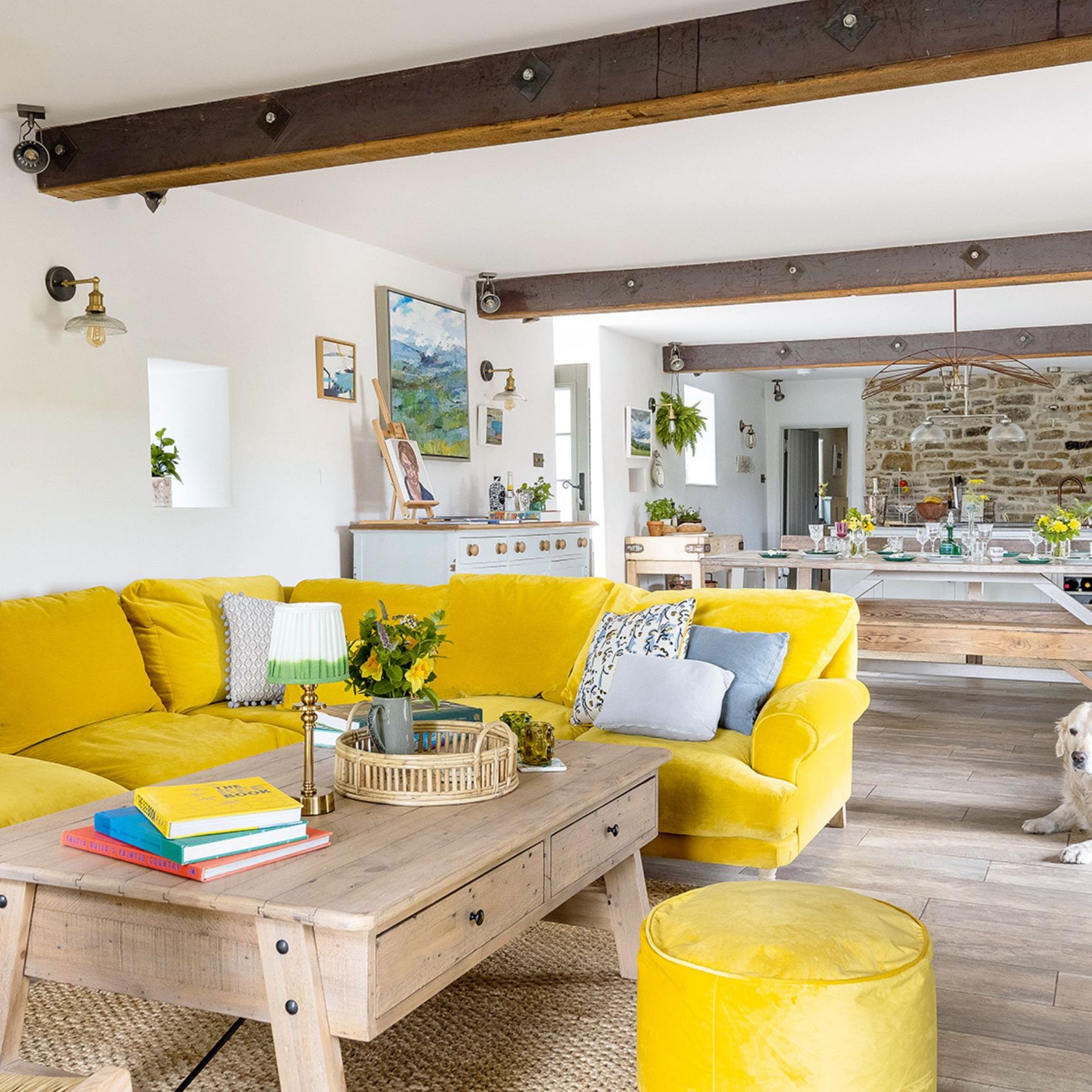
While open plans remain popular, visual zoning using rugs, lighting, or shelving creates functional separation without walls.

Materials and Textures Taking Center Stage
Texture is now as important as color.
Layered Natural Textures
Combining linen, wool, wood grain, stone, and ceramics adds depth. Even minimalist interiors rely on texture to avoid feeling flat.
Statement Stone and Marble
Marble is no longer limited to kitchens and bathrooms. It appears on coffee tables, shelves, and accent walls, adding understated luxury.
Metal Accents with Warm Finishes
Brushed brass, matte black, and aged bronze replace shiny chrome. These finishes feel warmer and more refined.
Smart Technology in Interior Spaces
Technology is being integrated subtly rather than showcased.
Invisible Smart Solutions
Hidden speakers, concealed charging stations, and app-controlled lighting allow homes to stay sleek while remaining functional.
Lighting as a Design Tool
Smart lighting adjusts color temperature throughout the day, supporting circadian rhythms and enhancing mood.
Tech-Driven Comfort
Climate control, automated blinds, and voice-controlled systems are shaping future interior design trends, where convenience blends seamlessly into design.
Biophilic and Wellness-Focused Design
Homes are becoming personal wellness retreats.
Natural Light Optimization
Large windows, sheer curtains, and reflective surfaces maximize daylight. Natural light is linked to better sleep, productivity, and mental health.
Indoor Plants as Design Elements
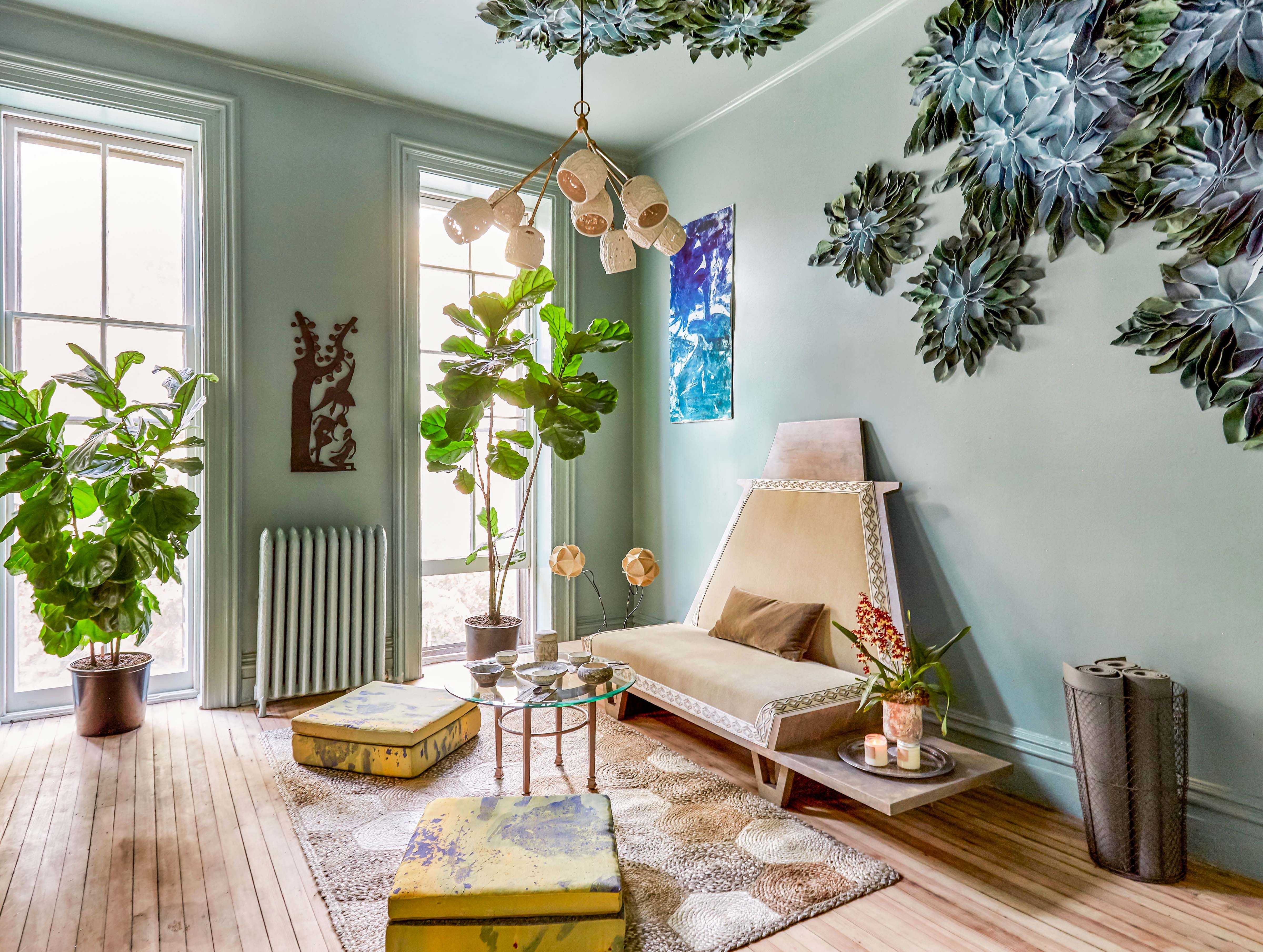
Plants are no longer accessories; they’re integral design components. Living walls, hanging plants, and oversized planters bring life into interiors.
Calm-First Design Philosophy
Quiet colors, soft lighting, and uncluttered layouts reduce visual noise and promote relaxation.


Luxury Redefined: Quiet, Personal, Intentional
Luxury no longer screams; it whispers.
The Rise of Quiet Luxury
Subtle textures, neutral palettes, and impeccable craftsmanship define modern luxury interiors. Logos and flashy finishes are being replaced by quality and restraint.
Personalization Over Perfection
People are designing homes that tell their story. Vintage finds, handmade pieces, and personal art collections add authenticity.
Experience-Driven Design
Luxury is now about how a space feels, not how expensive it looks. Comfort, acoustics, lighting, and flow matter more than visual excess.
Interior Designers’ Career Background and Industry Growth
Interior design has evolved into a multidisciplinary profession combining psychology, architecture, and sustainability.
Career Journey in Interior Design
Most designers begin with formal education in design or architecture, followed by hands-on experience. Over time, specialization becomes common—residential, commercial, sustainable, or luxury design.
Industry Achievements and Recognition
Award-winning designers are increasingly recognized for sustainability initiatives and wellness-focused projects rather than purely aesthetic achievements.
Financial Insights
Top interior designers can earn six-figure incomes, particularly those working in luxury residential or hospitality sectors. The global interior design market continues to grow steadily, driven by real estate development and lifestyle branding.
Frequently Asked Questions
FAQs
What are the most popular interior design trends right now?
Current trends focus on sustainability, natural materials, neutral palettes, curved furniture, and wellness-driven layouts.
Are interior design trends worth following?
Trends provide inspiration and direction, but the best interiors adapt trends to personal lifestyle needs rather than copying them blindly.
How often do interior design trends change?
Major trends evolve every 5–7 years, while minor updates like colors and finishes change more frequently.
Can small homes follow modern interior design trends?
Yes. Modular furniture, light colors, and smart layouts make trends especially effective in small spaces.
Is minimalist design still trending?
Minimalism has evolved into “warm minimalism,” blending simplicity with texture and comfort.
How do I incorporate trends without redesigning my entire home?
Start with paint, lighting, textiles, or accent furniture. These changes offer impact without major renovation.
Are sustainable interiors more expensive?
Initially, some materials may cost more, but durability and energy efficiency often reduce long-term expenses.
Do interior design trends affect home value?
Well-executed, trend-aware interiors can increase appeal and resale value, especially when designs feel timeless.
Conclusion
Interior design today is less about perfection and more about purpose. The most successful spaces are those that reflect how people actually live—spaces that evolve, adapt, and support well-being. By understanding and thoughtfully applying interior design trends, you can create a home that feels current without becoming dated, stylish without being impersonal, and beautiful without losing comfort.
In the end, great interior design isn’t about chasing trends—it’s about using them wisely to build a space that truly feels like home.