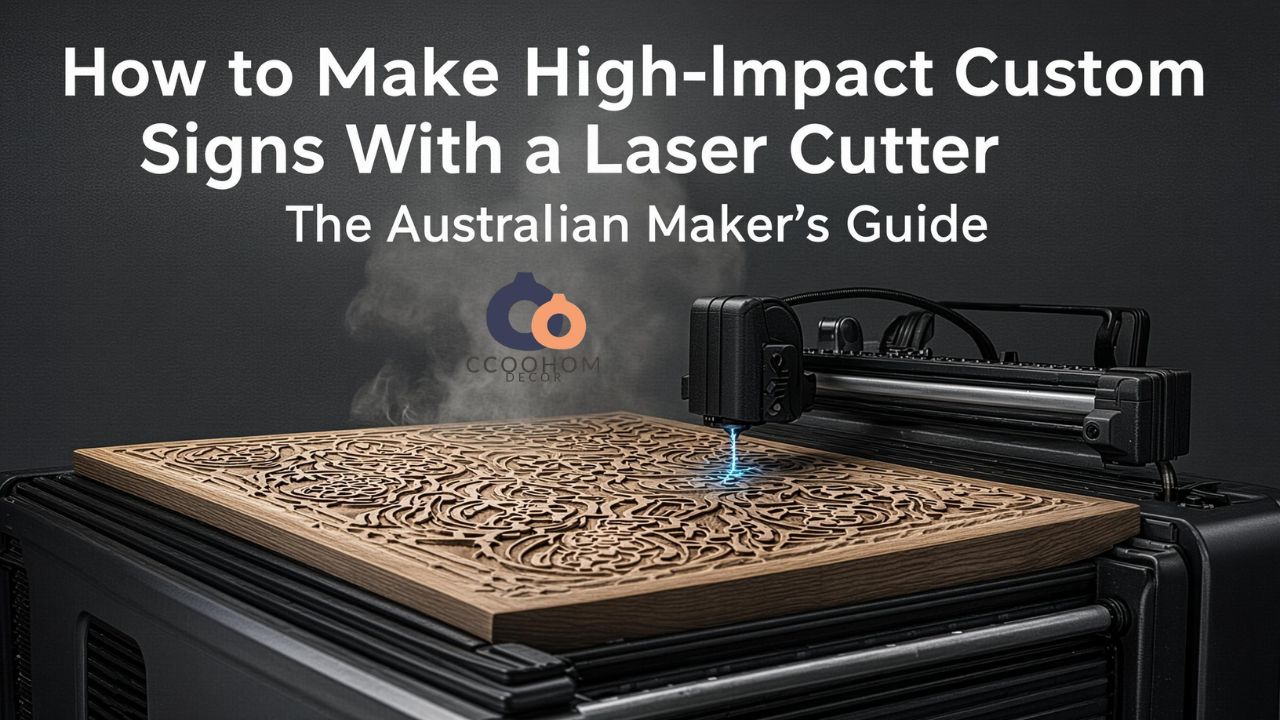
In Australia’s thriving retail and hospitality sectors, a sign is your brand’s “handshake.” Whether you are crafting a minimalist logo for a Melbourne laneway café, a rustic Jarrah welcome sign for a Margaret River wedding, or professional wayfinding for a Sydney office suite, alaser cutter is your most powerful tool.
Laser technology allows you to move beyond basic rectangular boards. It gives you the power to play with intricate silhouettes, layered dimensions, and premium materials that command a higher price point in the local market.
Here is your guide to creating high-impact custom signs that stand out in the Australian landscape.
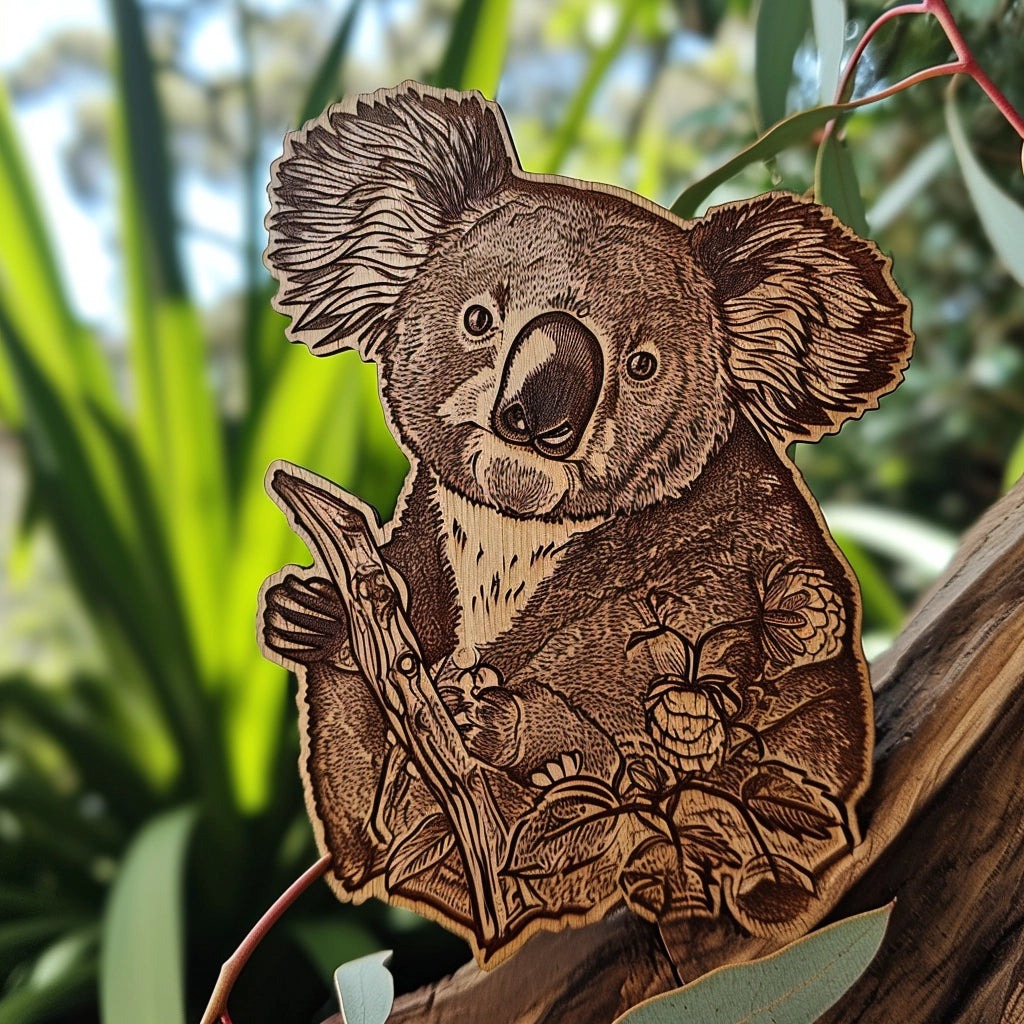
1. Choose Your “Hero” Material
The secret to a high-impact sign often lies in the substrate. While birch plywood is a staple, the premium Australian signage market rewards experimentation with native species.
- Perspex® Acrylic (The Professional Choice): Perspex is the household name for acrylic in Australia. For the best results, use Cast Acrylic rather than extruded; it engraves to a crisp, frosty white and leaves a glass-like polished edge when cut.
- Native Australian Hardwoods: Tasmanian Oak, Jarrah, and Blackbutt offer a timeless, high-end feel. Deep engraving into these timbers creates a beautiful, dark-contrast charred look that is incredibly popular for coastal and rural signage.
- Metal-Effect Laminates: Specialized engraving laminates (like TroPly or Rowmark) look like brushed gold or stainless steel but cut easily with a CO2 laser. This provides a “corporate” look at a fraction of the cost and weight of real metal.
- Mixed Media: Don’t be afraid to combine. A reclaimed Spotted Gum base with raised 5mm black gloss Perspex letters creates a “3D” effect that is highly sought after by boutique brands.
2. Master the “3D” Layering Technique
Flat signs often disappear into the background. To create truly high-impact signage, you need depth.
The Standoff Method: Instead of engraving a logo directly onto a backplate, cut the logo out of a separate sheet of 5mm or 6mm acrylic. Use Stainless Steel Standoffs (readily available from AU suppliers like Bunnings or Signage Accessories) to mount the sign 25mm–50mm away from the wall. This creates professional shadows and a premium architectural feel.
The Inlay Method: Cut a shape out of your background material and then cut the exact same shape out of a different coloured material. Fit them together like a perfect jigsaw for a flush, high-end finish that looks manufactured, not just “handmade.”
3. Design for Readability and the Harsh Aussie Sun
A beautiful sign is a failure if it can’t be read or if it warps in the Queensland humidity or the Outback heat.
- Stroke Weight: Ensure your fonts aren’t too spindly. Fine scripts may look elegant on your screen, but they can become fragile when cut from MDF or thin acrylic.
- The Colour Rule: High contrast is king. Dark Jarrah pairs perfectly with white or gold acrylic lettering. Frosted Perspex looks best against dark-painted urban brickwork.
- Weatherproofing: If the sign is for outdoor use, avoid standard MDF. Use Marine Grade Plywood or UV-stable Perspex. Ensure any timber is treated with a high-quality UV-resistant outdoor oil (like Cabot’s) to prevent silvering and cracking.
4. Professional Finishing Touches
What separates a hobbyist from a professional signage business is the post-processing.
- Paint Filling: Engrave your design deeply into wood or acrylic, then fill the cavity with high-quality acrylic paint. Wipe away the excess for a crisp, multi-coloured finish.
- Flame Polishing: If you are cutting thick acrylic, use a slower speed and higher frequency setting to achieve a “flame-polished” clear edge directly out of the laser bed.
- 3M Adhesive Backing: Apply 3M 467MP adhesive sheets to the back of your material before cutting. This turns your laser-cut letters into high-strength stickers, making installation perfectly aligned and mess-free for your customer.
5. Shipping and Logistics in Australia
Australia is vast, and shipping costs can eat into your margins. To stay profitable:
- The “Large Letter” Hack: If you can design internal signs (like house numbers or office door plates) to be under 20mm thick (including packaging), you can ship them via Australia Post Large Letter for a fraction of the cost of a standard parcel.
- Sustainability Focus: Australian customers are increasingly eco-conscious. Use plastic-free alternatives like shredded paper or honeycomb wrap instead of traditional bubble wrap. Brands like Hero Packaging offer great compostable mailer options.
From Signs to Solutions
Making high-impact signs isn’t just about owning a laser cutter; it’s about understanding how light, material, and depth interact. By moving away from “flat” engraving and toward layered, mixed-material designs, you can charge a premium (often $120–$350+ AUD per sign) and provide your clients with a landmark piece of branding.
Ready to start your next signage project?
Pro Tip: Always create a “proof” or prototype using cheap corrugated cardboard or 3mm MDF before cutting into expensive 10mm Perspex or premium native hardwoods!