

Introduction
A beautifully set table can transform an ordinary meal into something unforgettable, and the right tablecloth often makes all the difference. Whether you’re hosting a formal dinner, planning a wedding, or simply refreshing your dining space, this simple piece of fabric quietly sets the tone.
Think about the last time you walked into a room and noticed how the table was dressed. It likely told a story—elegant and refined, cozy and welcoming, or bold and celebratory. A thoughtfully chosen tablecloth doesn’t just protect your table; it shapes atmosphere, elevates décor, and reflects your personal style.
In this comprehensive guide, you’ll learn how to select the ideal fabric, size, shape, and design for any occasion. By the end, you’ll feel confident choosing an option that enhances your home and leaves a lasting impression on your guests.
Understanding the Purpose of a Tablecloth
Before diving into fabrics and patterns, it’s important to understand why this element matters so much.
At its core, a table covering serves three primary functions:
- Protection: Shields surfaces from scratches, spills, and heat damage.
- Aesthetic enhancement: Adds color, texture, and personality.
- Atmosphere setting: Helps define the mood of a gathering.
For everyday meals, you may prioritize durability and easy cleaning. For formal events, elegance and texture might take center stage. Clarifying your purpose helps narrow your choices dramatically.


4
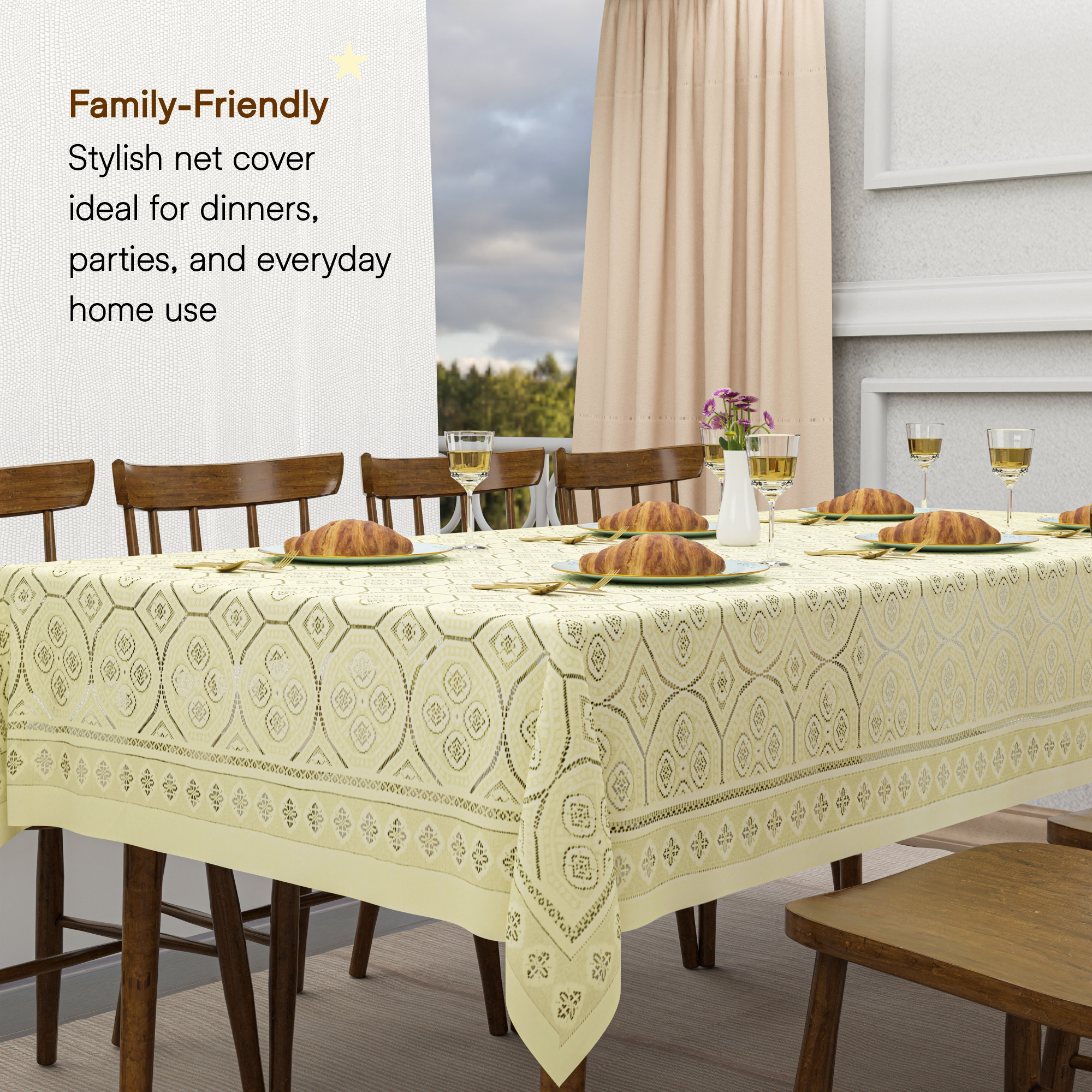
The way a table is dressed can visually anchor an entire room. In open-concept homes, especially, the dining area becomes a focal point. The fabric you choose can either blend harmoniously or make a bold statement.
Types of Tablecloth Fabrics
Choosing the right fabric is crucial. Each material offers distinct advantages depending on how and where you plan to use it.
Cotton
Cotton is one of the most popular options for daily use. It’s breathable, soft, and easy to wash.
Pros:
- Affordable
- Machine washable
- Comfortable and natural look
Cons:
- Wrinkles easily
- May shrink if not cared for properly
Cotton works beautifully in casual settings, from farmhouse kitchens to relaxed brunches.
Linen
Linen offers understated elegance. It drapes beautifully and feels luxurious without being overly formal.
Pros:
- Sophisticated texture
- Highly durable
- Becomes softer over time
Cons:
- Wrinkles easily
- Higher price point
For dinner parties or holiday gatherings, linen instantly elevates the table without feeling stiff or overly styled.


Polyester
Polyester blends are often used for events and commercial settings.
Pros:
- Wrinkle-resistant
- Stain-resistant
- Budget-friendly
Cons:
- Less breathable
- May lack natural texture
It’s ideal for large gatherings where practicality matters most.
Specialty Fabrics
- Lace: Perfect for vintage or romantic themes.
- Satin: Adds shine and drama for weddings.
- Vinyl: Practical for outdoor dining and children’s parties.
The fabric you select should align with both your functional needs and aesthetic preferences.
How to Measure for the Perfect Fit
Getting the size right is essential. Too short looks awkward; too long can be impractical.
Step-by-Step Measuring Guide
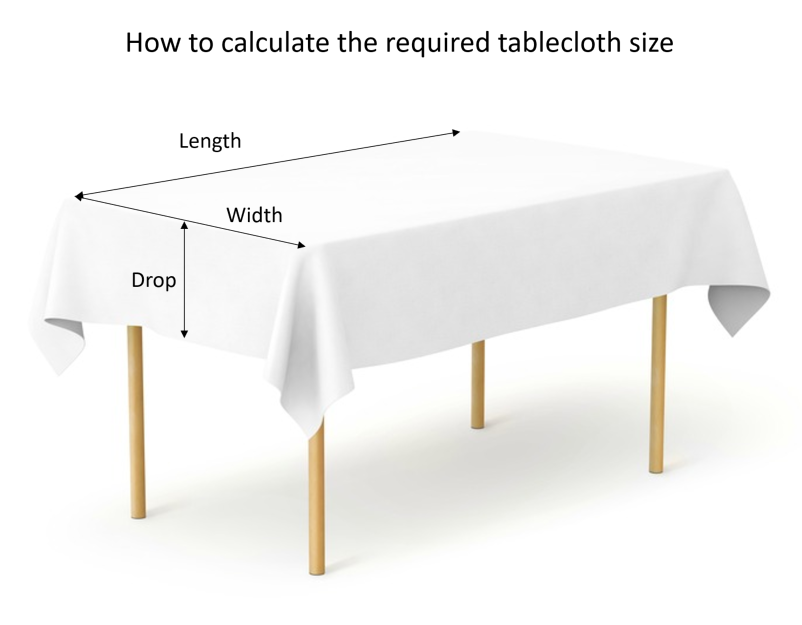
- Measure the length and width of your table.
- Decide on your preferred drop length (typically 6–12 inches for casual settings, 15 inches for formal).
- Add double the drop to each dimension.
For example:
If your table is 60 inches long and you want a 10-inch drop:
60 + (10 × 2) = 80 inches total length needed.

For formal events, floor-length styles create a dramatic effect. For everyday dining, shorter drops are more practical and easier to manage.
Choosing Colors and Patterns
Color sets the emotional tone of your dining experience.
Neutral Tones
White, beige, gray, and soft earth tones create timeless elegance. They’re versatile and easy to accessorize.
Bold Colors
Deep blues, emerald greens, and rich burgundy tones add drama and warmth.
Patterns and Prints
Patterns bring personality. Popular options include:
- Floral motifs
- Geometric designs
- Stripes
- Seasonal prints
When selecting a patterned tablecloth, ensure your dinnerware doesn’t clash. If your plates are decorative, consider a simpler base fabric.
Styling Ideas for Every Occasion
The beauty of a table setting lies in thoughtful layering.
Everyday Dining
- Cotton base
- Simple placemats
- Minimal centerpiece (fresh flowers or candles)
Holiday Gatherings
- Rich, textured fabric
- Coordinated napkins
- Metallic accents
Outdoor Entertaining
- Stain-resistant material
- Weighted corners
- Bright, cheerful prints
Weddings and Formal Events
- Floor-length drape
- Satin or linen finish
- Coordinated chair covers
A carefully chosen tablecloth can transform even the simplest meal into a memorable experience.
Caring for Your Tablecloth
Proper maintenance ensures longevity.
Washing Tips
- Always check care labels.
- Wash similar fabrics together.
- Avoid high heat for delicate materials.
Removing Stains
- Treat immediately.
- Blot—don’t rub.
- Use mild detergents.
Storage Advice
- Fold neatly to avoid deep creases.
- Store in a cool, dry place.
- For fine linen, consider rolling instead of folding.
Regular care preserves color, texture, and overall quality.
Sustainable and Eco-Friendly Options
If sustainability matters to you, look for:
- Organic cotton
- Recycled polyester blends
- Natural dyes
Many manufacturers now prioritize eco-conscious production. Investing in durable, long-lasting fabrics also reduces waste over time.
Common Mistakes to Avoid
Even small missteps can affect your final look.
- Choosing the wrong size
- Ignoring room color scheme
- Overloading patterns
- Neglecting care instructions
Taking a few extra minutes to plan prevents disappointment later.
FAQ
What size tablecloth should I buy?
Measure your table and add your desired drop length twice. This ensures balanced coverage on all sides.
Can I use a tablecloth on a glass table?
Yes. It prevents scratches and adds warmth to the look.
How often should I wash it?
After each use for formal dining, or weekly for everyday settings depending on spills.
Is linen better than cotton?
Linen offers a more refined appearance, while cotton is more practical for daily use.
How do I keep it from slipping?
Use non-slip pads or table clips, especially outdoors.
Can I layer table runners?
Absolutely. Layering adds dimension and visual interest.
What drop length looks most elegant?
A 15-inch drop is classic for formal dining.
Are wrinkle-free fabrics worth it?
For busy households or events, they can save time and effort.
Conclusion
The right tablecloth does more than cover a surface—it creates mood, protects your furniture, and reflects your style. From fabric selection to size measurement and styling details, every choice contributes to the overall experience at your table.
Whether you prefer crisp white linen, cheerful prints, or practical stain-resistant blends, investing time in choosing thoughtfully ensures your table always feels welcoming and intentional. With proper care and a clear understanding of your needs, this simple yet powerful décor element can elevate everyday meals and special celebrations alike.