
Introduction
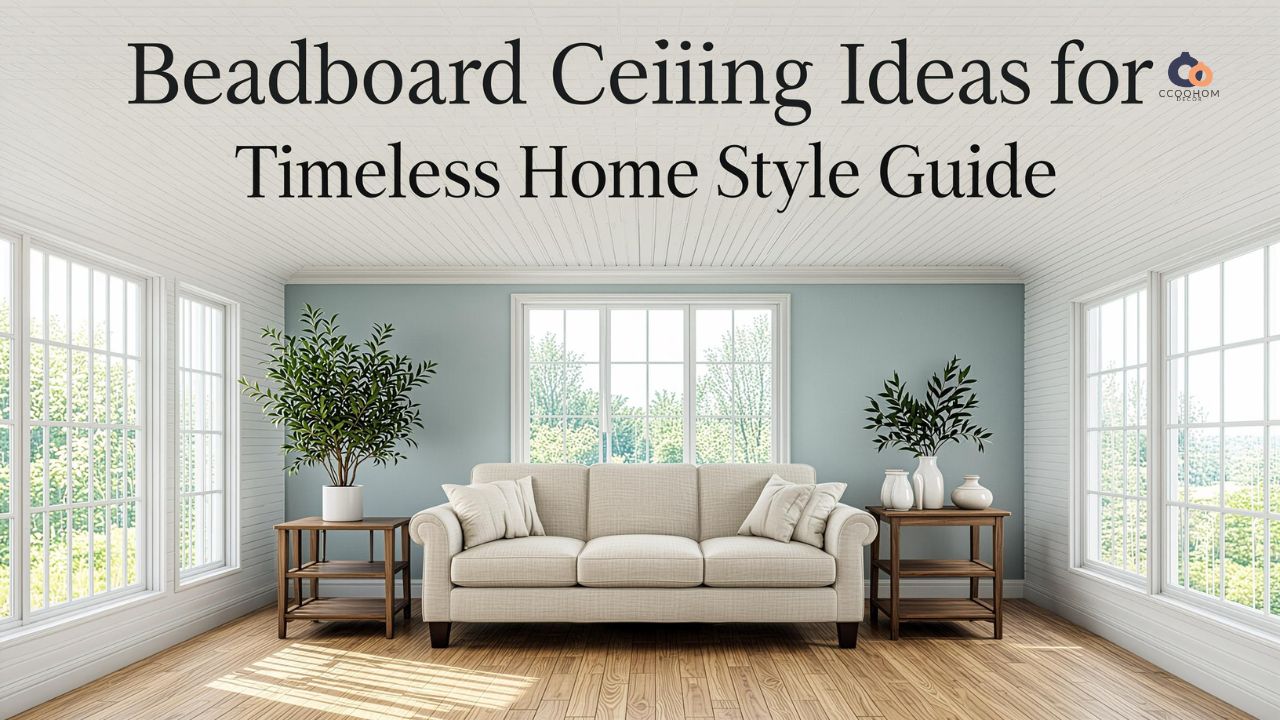
A ceiling can quietly change the whole mood of a room. The right texture overhead can make a plain space feel warmer, softer, and more thoughtfully finished. That is why beadboard ceiling ideas are loved in cottages, farmhouses, coastal homes, and even clean modern interiors.
Beadboard adds rhythm without feeling busy. Its narrow grooves bring character to flat ceilings, hide minor surface flaws, and create a cozy built-in look. Whether you are refreshing a kitchen, porch, bathroom, hallway, or bedroom, this ceiling style can make the room feel complete.
What Is a Beadboard Ceiling?
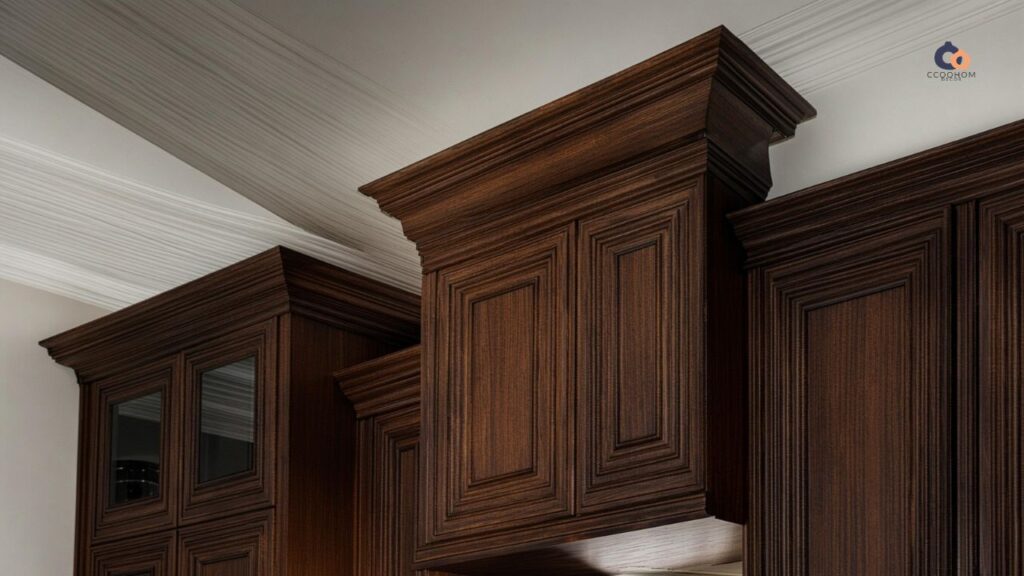
A beadboard ceiling is made from narrow boards or panels with small raised ridges and grooves. These grooves create the classic “beaded” look. Traditionally, beadboard was made from wood, but today it also comes in MDF, PVC, vinyl, and prefinished panels.
The style works because it feels simple but detailed. It can look vintage, coastal, farmhouse, cottage, or polished depending on paint color, trim, lighting, and room design.
Why Beadboard Ceilings Are So Popular
Beadboard has stayed popular because it solves both style and practical problems. It adds charm to blank ceilings, covers dated textures, and gives rooms a finished architectural feel.
It is also flexible. White beadboard can feel bright and airy, stained wood can feel rustic, and painted beadboard can bring personality to small rooms.
Best Rooms for Beadboard Ceiling Ideas
Kitchen Beadboard Ceilings
Kitchens are one of the best places to use beadboard. A white ceiling can soften cabinets, brighten the room, and make the space feel more inviting. It pairs beautifully with shaker cabinets, brass hardware, open shelving, and pendant lights.
For a farmhouse kitchen, use white beadboard with simple crown molding. For a coastal kitchen, pair it with light blue, cream, or sandy beige walls. For a modern kitchen, keep the beadboard clean and minimal with slim trim.
Bathroom Beadboard Ceilings
Bathrooms look charming with beadboard, but material choice matters. PVC or vinyl beadboard is better for moisture-prone spaces because it resists swelling better than untreated wood or MDF.
A beadboard bathroom ceiling works especially well with clawfoot tubs, subway tile, vintage mirrors, and soft wall colors. Add a good exhaust fan to help protect the ceiling from humidity.
Porch Beadboard Ceilings
Porches are the classic home for beadboard. A painted porch ceiling adds instant character and makes outdoor seating feel more finished. Many homeowners choose white, pale blue, sage green, or natural wood.
For covered porches, use exterior-rated material. Add ceiling fans, lantern-style lights, and simple trim for a timeless look.
Bedroom Beadboard Ceilings
A bedroom ceiling with beadboard feels cozy and peaceful. It works especially well in cottage bedrooms, attic rooms, guest rooms, and spaces with sloped ceilings.
Soft white is the safest choice, but warm cream, muted gray, or pale blue can also look beautiful. Keep bedding simple so the ceiling texture becomes part of the room’s calm atmosphere.
Stylish Beadboard Ceiling Ideas for Every Home
Classic White Beadboard Ceiling
White is the most timeless choice. It reflects light, makes rooms feel taller, and works with almost every decor style. This is one of the safest beadboard ceiling ideas for kitchens, bathrooms, porches, and bedrooms.
Use satin or semi-gloss paint for a subtle sheen. Add crown molding if you want a polished finish.
Beadboard Ceiling With Wood Beams
Wood beams add contrast and depth. They break up the ceiling and make beadboard feel more custom. This idea works well in living rooms, kitchens, dining rooms, and large bedrooms.
Choose natural beams for warmth or painted beams for a cleaner look. Dark beams create a rustic mood, while white beams feel soft and coastal.
Painted Beadboard Ceiling
A painted ceiling can turn beadboard into a design feature. Try soft blue for a porch, sage green for a cottage kitchen, blush for a powder room, or charcoal for a dramatic dining room.
The trick is balance. If the ceiling color is bold, keep walls and furniture calmer.
Beadboard Ceiling With Crown Molding
Crown molding gives beadboard a finished edge. It hides gaps, frames the ceiling, and makes the installation look intentional.
This works especially well in formal rooms, older homes, and spaces where you want a more refined look.
Natural Wood Beadboard Ceiling
Natural wood creates warmth and texture. It looks beautiful in cabins, lake houses, rustic kitchens, and cozy reading rooms.
Use lighter wood for a relaxed feel and darker stain for a richer look. Natural wood works best when the rest of the room has simple finishes.
Beadboard Ceiling in a Small Room
Small rooms benefit from texture. A beadboard ceiling can make a powder room, laundry room, mudroom, or entryway feel more designed.
Keep the color light if the ceiling is low. Add a simple flush-mount light instead of a heavy fixture.
Coastal Beadboard Ceiling
Coastal rooms love beadboard. White or pale blue ceilings pair well with woven textures, linen curtains, driftwood tones, and soft neutral walls.
This is one of the most relaxed beadboard ceiling ideas for beach houses, sunrooms, bathrooms, and porches.
Modern Beadboard Ceiling
Beadboard does not have to feel old-fashioned. For a modern look, use wider spacing, clean trim, smooth paint, and minimal decor.
Pair it with matte black lighting, simple furniture, and neutral walls. The result feels warm but not overly rustic.
Beadboard Ceiling With Statement Lighting
Lighting can completely change the look of beadboard. A chandelier makes it elegant, pendant lights make it casual, and recessed lighting keeps it clean.
Make sure fixtures are centered and scaled properly. Beadboard draws the eye upward, so lighting needs to look intentional.
Beadboard Ceiling for Covering Popcorn Texture
Beadboard can help cover dated popcorn ceilings without fully scraping them, depending on condition and local safety concerns. Older textured ceilings may contain hazardous materials, so testing may be needed before disturbing them.
Once installed, beadboard gives the room a fresh surface and a more custom look.
Choosing the Right Material
Wood Beadboard
Wood feels authentic and beautiful. It can be painted or stained, but it may expand and contract with humidity. It is best for dry interior spaces.
MDF Beadboard
MDF is smooth, affordable, and easy to paint. It is a good choice for bedrooms, living rooms, hallways, and dry kitchens. Avoid it in very damp areas unless it is rated for that use.
PVC or Vinyl Beadboard
PVC and vinyl are smart choices for bathrooms, laundry rooms, and covered porches. They resist moisture better and are easier to clean.
Beadboard Panels
Large panels are faster to install than individual boards. They are useful for budget projects and larger ceilings, but seams must be planned carefully.
Trim and Finishing Ideas
Trim can make or break the finished look. Use crown molding for a traditional room, flat trim for a modern room, or simple quarter-round for a casual cottage feel.
For large ceilings, consider dividing the space with beams or battens. This helps hide seams and creates a more custom design.
Color Ideas for Beadboard Ceilings
White is classic, but it is not the only option. Try these colors:
- Warm white for a cozy cottage look
- Soft blue for porches and bathrooms
- Sage green for farmhouse kitchens
- Cream for vintage rooms
- Charcoal for dramatic dining spaces
- Natural stain for cabins and rustic interiors
The best color depends on ceiling height, natural light, wall color, and the mood you want.
Common Mistakes to Avoid
Do not choose the wrong material for a damp room. Moisture can damage wood or MDF if the space is not properly ventilated.
Do not ignore seams. Poor seam placement can make panels look cheap. Plan seams around trim, beams, or room layout.
Do not use heavy texture everywhere. If walls, floors, cabinets, and ceilings all have strong patterns, the room can feel crowded.
Budget-Friendly Beadboard Ceiling Ideas
You do not need a large budget to get a beautiful result. Use beadboard panels instead of individual boards, paint everything one color, and keep trim simple.
For the biggest impact, use beadboard in smaller spaces first. Bathrooms, mudrooms, laundry rooms, and entryways can look dramatically better without requiring many materials.
FAQ
Are beadboard ceilings still in style?
Yes, beadboard ceilings are still in style because they add timeless texture. They work especially well in cottage, farmhouse, coastal, traditional, and transitional homes.
Can beadboard be used on bathroom ceilings?
Yes, but choose moisture-resistant material such as PVC or vinyl. Good ventilation is also important to reduce humidity buildup.
What color looks best on a beadboard ceiling?
White is the most popular choice because it brightens the room. Soft blue, cream, sage green, and natural wood tones can also look beautiful.
Is beadboard good for low ceilings?
Yes, beadboard can work on low ceilings if you keep the color light and the trim simple. Avoid dark colors unless the room has strong natural light.
Can beadboard cover an old popcorn ceiling?
It can cover some textured ceilings, but the existing ceiling must be stable. Older popcorn ceilings may need testing before any work begins.
What rooms look best with beadboard ceilings?
Kitchens, bathrooms, porches, bedrooms, laundry rooms, mudrooms, and hallways all work well with beadboard ceilings.
Is beadboard better than shiplap for ceilings?
It depends on the style. Beadboard feels more cottage and detailed, while shiplap feels cleaner and more farmhouse or coastal.
How do I make beadboard look modern?
Use clean trim, smooth paint, simple lighting, and a neutral palette. Avoid overly ornate molding if you want a modern look.
Conclusion
Beadboard is one of those ceiling treatments that feels simple, warm, and quietly beautiful. It can brighten a kitchen, soften a bedroom, dress up a porch, or make a small bathroom feel more finished.
The best beadboard ceiling ideas come down to the room, material, color, and trim. Choose moisture-safe options where needed, keep the finish balanced, and let the texture add charm without overpowering the space.