Every great artwork begins somewhere — often not on a canvas, but on a messy desk filled with clippings, textures, photos, and ideas. These early visual experiments, commonly called mood boards, serve as the foundation for creative breakthroughs. For modern artists, collage has become one of the most powerful tools for transforming scattered inspiration into cohesive, meaningful masterpieces.
From analog cut-and-paste methods to advanced digital compositions, collage techniques help artists explore identity, storytelling, and emotion in ways that traditional art forms sometimes cannot. In this article, we’ll explore how collage inspires modern artists, how mood boards evolve into finished works, and how you can apply these same techniques to your creative process.
Why Mood Boards Are the Starting Point for Creative Innovation
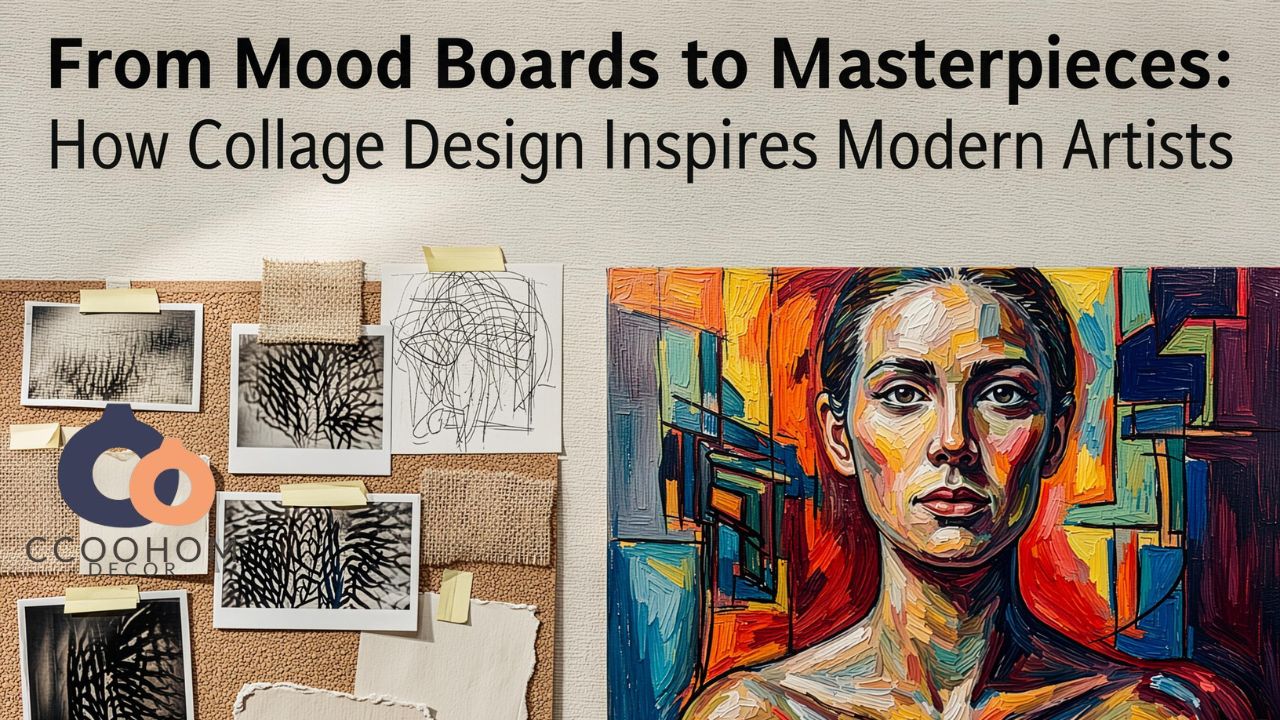
Mood boards are visual collections that communicate ideas, feelings, and direction. They may include magazine clippings, photographs, textures, typography, or color palettes. For artists, these boards act as visual thinking tools.
Mood boards help creators:
- Organize ideas visually
- Explore themes and emotional direction
- Experiment without pressure
- Identify patterns and connections
This process mirrors how the brain naturally works — associating images, symbols, and memories to generate ideas. By placing unrelated visuals together, artists often discover unexpected relationships that spark new creative directions.
Modern artists frequently use mood boards as stepping stones, gradually refining and expanding concepts until they evolve into fully realized works.
The Origins and Evolution of Collage in Modern Art
Collage is not a new invention. It gained prominence in the early 20th century, when artists like Pablo Picasso and Georges Braque introduced mixed media elements such as newspaper clippings and printed materials into their work, revolutionizing artistic expression.
Since then, collage has been embraced by major art movements, including Dada, Surrealism, and Pop Art. These artists used collage to challenge traditional art, question societal norms, and explore deeper psychological themes.
Today, collage remains a vital medium. Contemporary artists blend physical and digital elements to explore complex topics like identity, migration, and culture. For example, artist María Berrío creates intricate layered works using Japanese paper to reflect cross-cultural narratives and personal experiences.
This evolution shows that collage isn’t just a technique — it’s a way of thinking.
How Artists Transform Mood Boards into Finished Artworks
The journey from mood board to masterpiece involves several creative stages. Understanding these steps can help artists at any level refine their process.
1. Gathering Visual Inspiration
Artists collect images, textures, and references that resonate emotionally or conceptually. These may include:
- Old magazines
- Personal photographs
- Fabric samples
- Digital images
- Typography samples
The goal isn’t perfection — it’s exploration. Many groundbreaking works emerge from unexpected combinations.
2. Identifying Patterns and Themes
Once materials are gathered, artists begin arranging elements to identify visual connections. Certain colors, symbols, or textures may naturally cluster together.
This stage helps artists answer questions like:
- What story am I telling?
- What emotion do I want viewers to feel?
- What themes are emerging?
Collage techniques allow artists to combine fragments into entirely new meanings, creating works that challenge traditional interpretations and invite deeper reflection.
3. Experimentation and Layering
This is where collage design becomes the bridge between concept and creation. Artists layer images, shapes, and textures to build depth, contrast, and narrative tension.
Layering isn’t random — it’s intentional storytelling. Modern collage artists use layering to represent memory, emotion, and time, allowing viewers to interpret multiple meanings within a single composition.
For example, artist Arturo Herrera creates vibrant works that combine pop imagery and abstract forms, encouraging viewers to interpret meaning based on personal perception.
This layered approach transforms simple visuals into complex, engaging artworks.
4. Refining and Finalizing the Composition
As artists continue refining their collage, they begin removing unnecessary elements and emphasizing the strongest visual components.
This stage often involves:
- Adjusting scale and placement
- Enhancing contrast
- Adding or removing layers
- Creating visual balance
The goal is clarity — ensuring every element contributes to the overall message.
Why Collage Is So Powerful for Modern Artists
Collage offers unique creative advantages that traditional techniques sometimes lack.
Freedom of Expression
Unlike traditional painting or drawing, collage allows artists to work with existing materials. This flexibility encourages experimentation and creative risk-taking.
Artists like Ivan Chermayeff even used everyday objects like wrappers and discarded materials to create expressive, meaningful artworks.
This accessibility makes collage especially appealing to modern creators.
Visual Storytelling Through Fragmentation
Collage reflects the fragmented nature of modern life. By combining different images and symbols, artists can communicate layered narratives.
Modern collage compositions often encourage viewers to interpret stories themselves, creating deeper engagement and emotional connection.
This interactive storytelling makes collage particularly relevant in today’s visual culture.
Bridging Traditional and Digital Creativity
Technology has expanded collage possibilities dramatically. Digital tools allow artists to manipulate images, experiment faster, and explore new creative directions.
Digital collage has become a universal creative language, widely used in art, marketing, and social media.
This fusion of traditional and digital techniques keeps collage at the forefront of contemporary art.
Actionable Tips for Artists: How to Use Collage in Your Creative Process
Whether you’re a beginner or experienced artist, you can use collage techniques to enhance your creativity.
Start With a Clear Theme
Choose a concept, emotion, or story you want to explore. This provides direction and focus.
Examples:
- Identity
- Nature
- Urban life
- Memory
- Transformation
Collect Diverse Visual Materials
Look beyond obvious sources. Use unexpected elements like:
- Old packaging
- Maps
- Text fragments
- Fabric scraps
- Screenshots
Unexpected combinations often lead to the most original results.
Experiment Without Judgment
Don’t aim for perfection immediately. Allow yourself to explore freely. Many successful artists discover their best ideas through experimentation.
Use Digital Tools Alongside Physical Materials
Combining digital and physical techniques opens new possibilities. You can scan physical collages and enhance them digitally, or create entirely digital compositions.
Focus on Emotional Impact
Ask yourself: How does this piece make people feel?
Emotion is often more important than technical perfection.
The Future of Collage in Modern Art
Collage continues to evolve alongside technology and culture. As digital tools become more accessible, more artists are exploring hybrid techniques that blend traditional craftsmanship with modern innovation.
Collage reflects the complexity of modern life — layered, fragmented, and constantly evolving. It allows artists to combine past and present, personal and universal, chaos and order.
From simple mood boards to gallery masterpieces, collage remains one of the most powerful tools for artistic discovery and expression.
Final Thoughts
Every masterpiece starts with a spark — an idea, an image, or a feeling. Mood boards help artists capture that spark, while collage techniques help transform it into something tangible and meaningful.
By embracing experimentation, layering, and storytelling, modern artists can unlock new creative possibilities and develop truly unique visual voices.
Whether you’re creating fine art, digital content, or personal projects, collage offers endless opportunities to explore, innovate, and express yourself.