
Introduction
A well-designed home does more than look beautiful. It shapes how you feel every single day. The insights shared on latest decoratoradvice .com help homeowners turn ordinary rooms into meaningful, functional spaces.
If you’ve ever stood in your living room and felt something was missing, you’re not alone. Many people want change but don’t know where to start. That’s why understanding current décor trends, smart layout choices, and practical styling techniques truly matters.
This guide explores what makes a home feel modern, balanced, and personal. From color psychology to space-saving ideas, you’ll discover how small decisions create lasting impact.
Understanding the Rise of latest decoratoradvice .com
Interior design has shifted dramatically over the past decade. Today’s homeowners want more than pretty rooms. They want comfort, sustainability, and personality.
The popularity of latest decoratoradvice .com reflects this shift. It focuses on practical inspiration rather than unrealistic luxury. It bridges professional expertise and everyday living.


People are now influenced by digital platforms, global design movements, and lifestyle changes. Remote work, compact urban homes, and eco-conscious choices all shape how we decorate
Design advice today must balance style with function. That balance is what readers seek when exploring trusted décor platforms.
Modern Interior Trends You Should Know
Sustainable and Eco-Friendly Materials
Sustainability is no longer optional. It is central to modern design.
Natural wood, recycled metal, bamboo, and organic fabrics are widely used. These materials reduce environmental impact while adding warmth to interiors.


Choosing sustainable décor also improves indoor air quality. Plants, natural fibers, and low-VOC paints make homes healthier.
Earthy and Neutral Color Palettes
Color sets the mood of any room.
Warm beige, clay tones, muted greens, and soft grays dominate current palettes. These colors create calm environments and work well in both small and large spaces.
Neutral shades also allow flexible styling. You can easily update accents without repainting entire rooms.
Multifunctional Furniture
Urban living often means limited space.
Multifunctional furniture solves this challenge. Storage beds, foldable desks, and modular sofas maximize functionality without clutter.
Designers emphasize smart layouts rather than oversized furniture. Every piece must serve a purpose.
How latest decoratoradvice .com Helps Homeowners Make Better Choices
Choosing décor without guidance can feel overwhelming. Trends change quickly, and mistakes can be expensive.
The value of latest decoratoradvice .com lies in clarity. It breaks down complex design ideas into manageable steps. Instead of pushing luxury trends, it highlights achievable transformations.

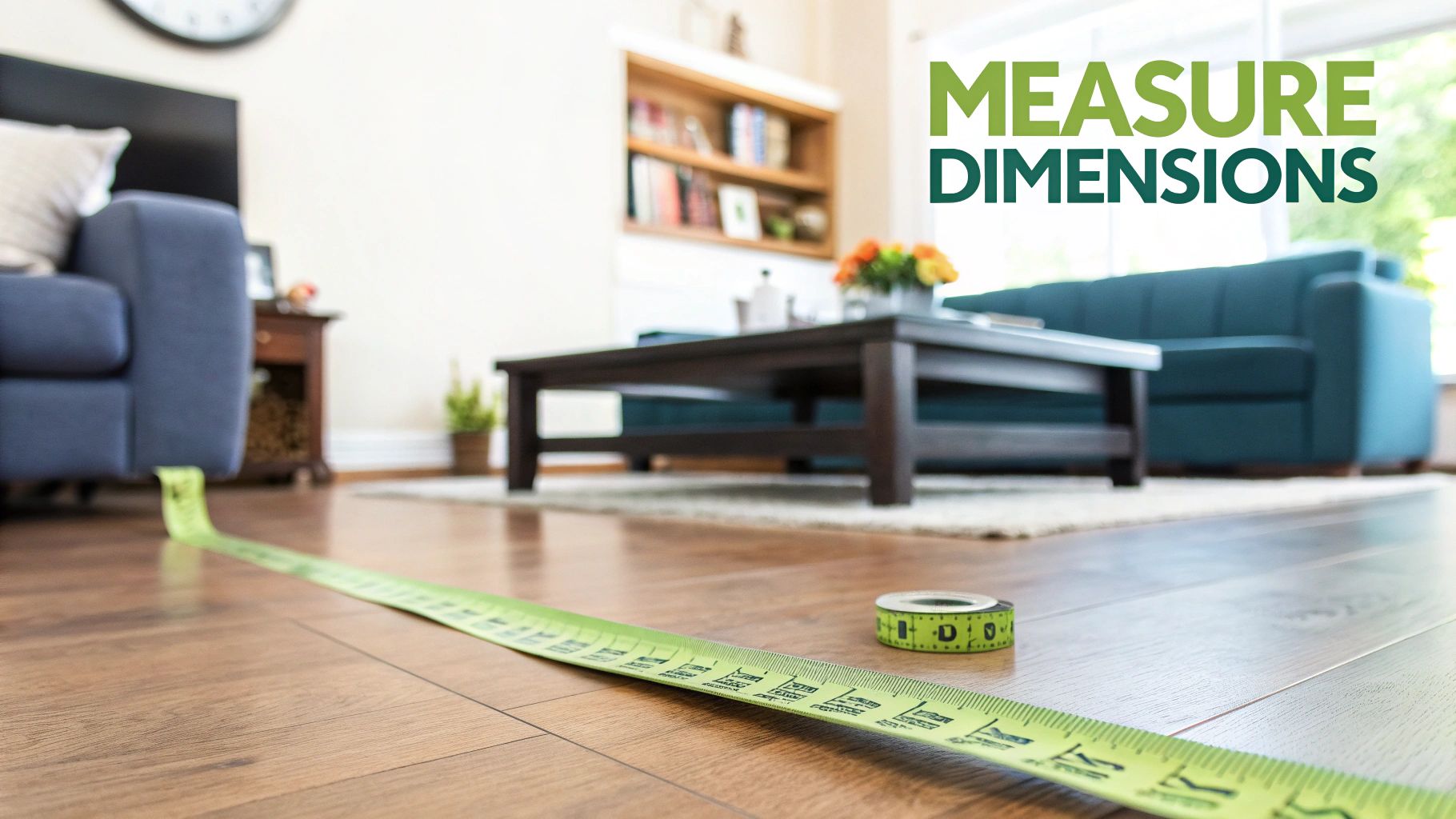
For example, understanding room measurements before buying furniture prevents crowding. Learning basic lighting rules transforms even the simplest spaces.
Reliable advice saves time and money. It also builds confidence.
Room-by-Room Styling Strategies
Living Room Design
The living room is often the heart of the home.
Start with a clear focal point. This could be a statement wall, a fireplace, or a large piece of art. Balance furniture around it.
Layer lighting:
- Ambient lighting for overall brightness
- Task lighting for reading
- Accent lighting for mood
Avoid pushing sofas directly against walls unless space demands it. Floating arrangements create better flow.
Bedroom Comfort and Simplicity
Bedrooms should promote rest.
Use soft textiles, layered bedding, and minimal clutter. Keep color palettes calm. Avoid harsh lighting.
Wall-mounted shelves free up floor space. Blackout curtains improve sleep quality.
Kitchen Organization
Modern kitchens prioritize function.
Install drawer organizers. Use vertical storage. Keep countertops clear except for daily essentials.
Open shelving works best when curated carefully. Avoid overcrowding it.
Home Office Efficiency
With remote work increasing, home offices matter more than ever.
Position your desk near natural light. Use ergonomic chairs. Add sound-absorbing elements like rugs or curtains.
Budget-Friendly Decorating Tips
Good design does not require a large budget.
Here are practical strategies:
- Rearrange existing furniture before buying new items.
- Add plants for instant freshness.
- Use mirrors to create the illusion of space.
- Change cushion covers instead of replacing sofas.
- Upgrade lighting fixtures for dramatic impact.
Small upgrades often deliver the biggest visual improvement.
DIY projects also add personality. Handmade décor feels unique and meaningful.
Common Decorating Mistakes to Avoid
Even experienced homeowners make errors.
Overcrowding the Space
Too much furniture restricts movement. Leave breathing room.
Ignoring Lighting Layers
One ceiling light is rarely enough. Layered lighting improves atmosphere.
Following Trends Blindly
Not every trend fits every home. Adapt trends to your lifestyle.
Poor Scale and Proportion
Large sofas in small rooms overwhelm space. Measure before purchasing.
Understanding these principles prevents frustration and wasted money.
The Psychology Behind Home Design
Design affects mood and behavior.
Soft textures promote relaxation. Bright colors stimulate energy. Symmetry creates balance.
Clutter increases stress levels. Organized spaces encourage calmness.
When choosing décor, consider how each element makes you feel. Your home should support emotional well-being.
FAQ
What makes latest decoratoradvice .com different from other décor platforms?
It focuses on practical, achievable ideas rather than luxury-only inspiration. Advice is structured for real homes and real budgets.
How often should I update my home décor?
Minor updates can happen seasonally. Major redesigns typically occur every 5–7 years.
Is minimalism still popular?
Yes. Minimalism has evolved into “warm minimalism,” blending simplicity with comfort.
How can I make a small room look bigger?
Use mirrors, light colors, multifunctional furniture, and vertical storage solutions.
What are the best colors for a relaxing bedroom?
Soft blues, muted greens, warm neutrals, and light grays promote calmness.
Are indoor plants essential in modern décor?
They are not essential but highly recommended. Plants improve air quality and add visual life.
How do I choose the right lighting?
Combine ambient, task, and accent lighting. Avoid relying on a single source.
Can I mix different design styles?
Yes. Transitional spaces often blend modern and classic elements successfully.
Conclusion
A thoughtfully designed home does more than impress visitors. It enhances daily life. By learning from trusted resources like latest decoratoradvice .com, homeowners gain the confidence to create spaces that reflect their personality and needs.
Design is not about copying trends. It is about understanding what works for your lifestyle. With careful planning, smart choices, and a clear vision, any home can become both beautiful and functional.
Your space should tell your story. And with the right guidance, that transformation becomes achievable and deeply rewarding.