
Introduction
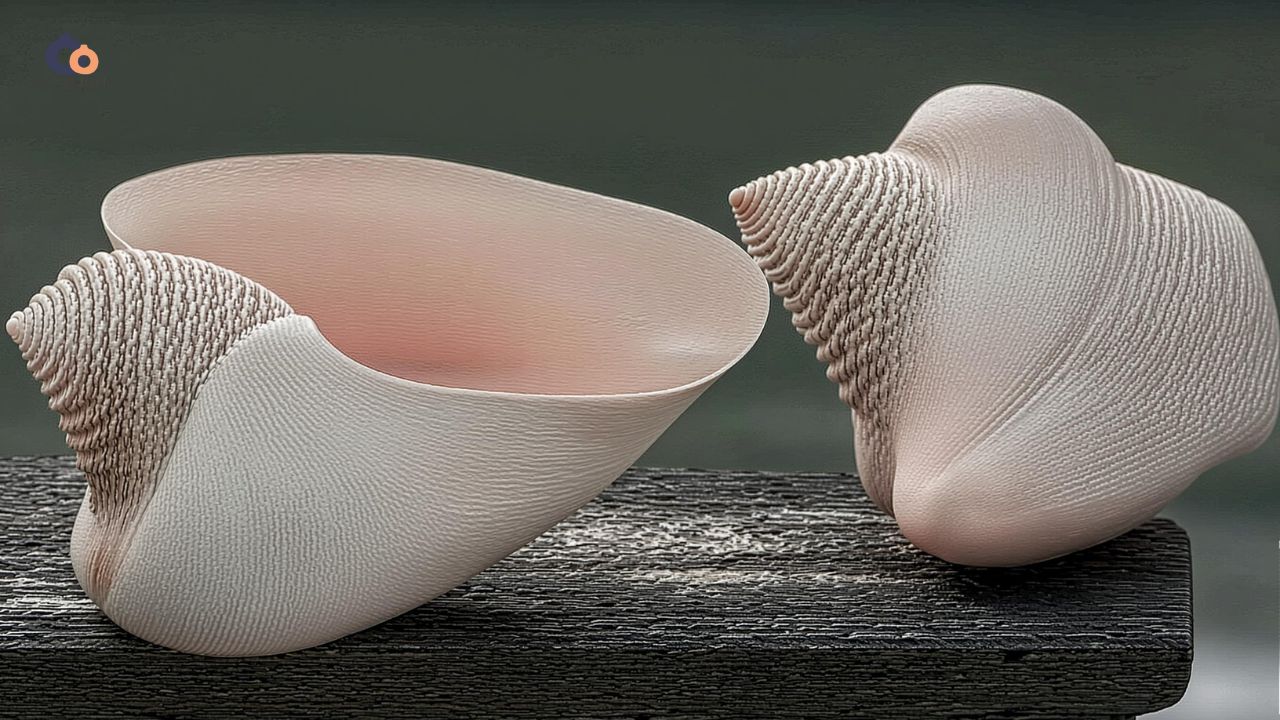
There’s something instantly calming about coastal design—the soft blues, weathered textures, and subtle nods to the sea. Nautical bowls fit perfectly into this aesthetic, bringing both beauty and purpose into everyday living spaces.
Whether placed on a dining table, kitchen counter, or coffee table, nautical bowls evoke memories of ocean breezes, sandy shores, and relaxed seaside living. They aren’t just decorative items; they’re functional pieces that quietly elevate a room’s atmosphere.
In reality, many homeowners overlook small decor elements, focusing instead on large furniture or wall colors. However, it’s often the details—like bowls with maritime patterns or coastal finishes—that truly define a space and make it feel intentional.
If you’re aiming to add character, warmth, and a coastal story to your home, understanding how to choose and use nautical bowls can make a noticeable difference.

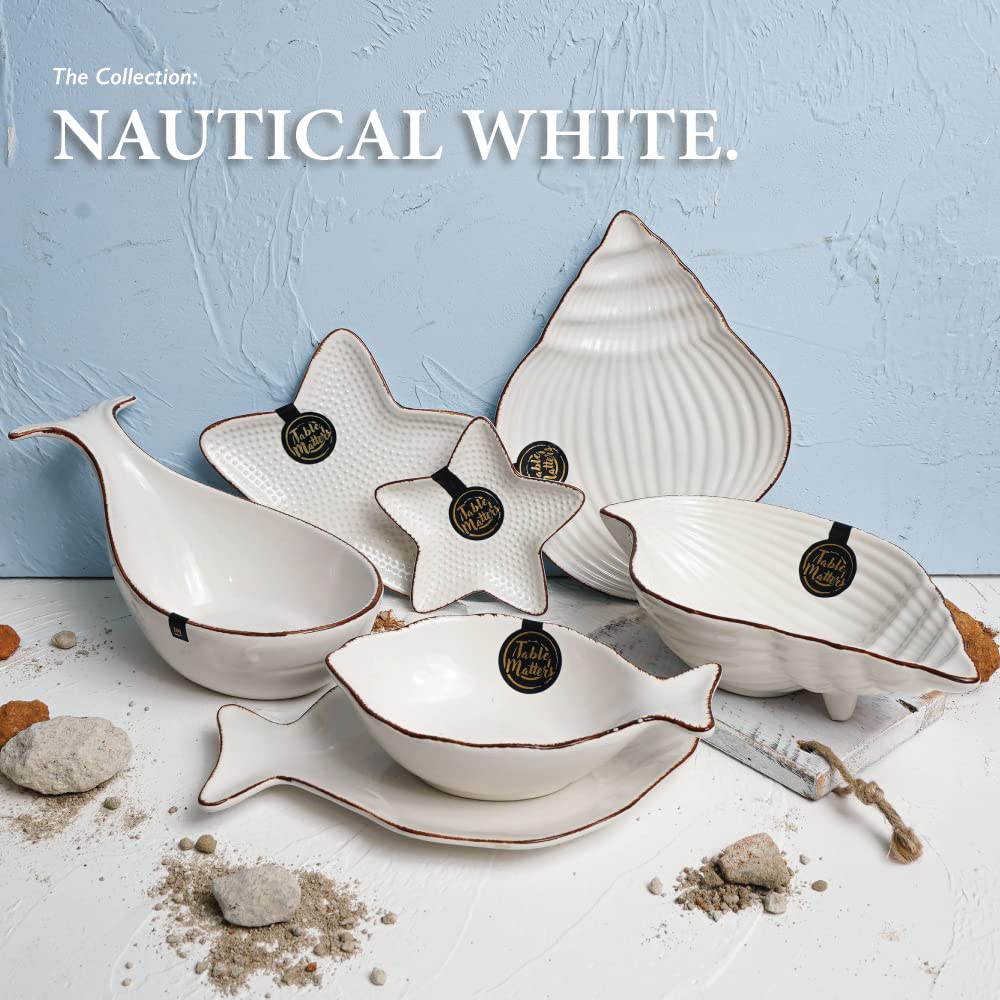

Table of Contents
What Are Nautical Bowls?
History and Inspiration Behind Nautical Bowls
Popular Styles of Nautical Bowls
Materials Commonly Used in Nautical Bowls
How to Use Nautical Bowls in Home Decor
Nautical Bowls for Serving and Entertaining
Choosing the Right Nautical Bowls for Your Space
Care and Maintenance of Nautical Bowls
Sustainability and Handmade Nautical Bowls
FAQs
Conclusion
What Are Nautical Bowls?
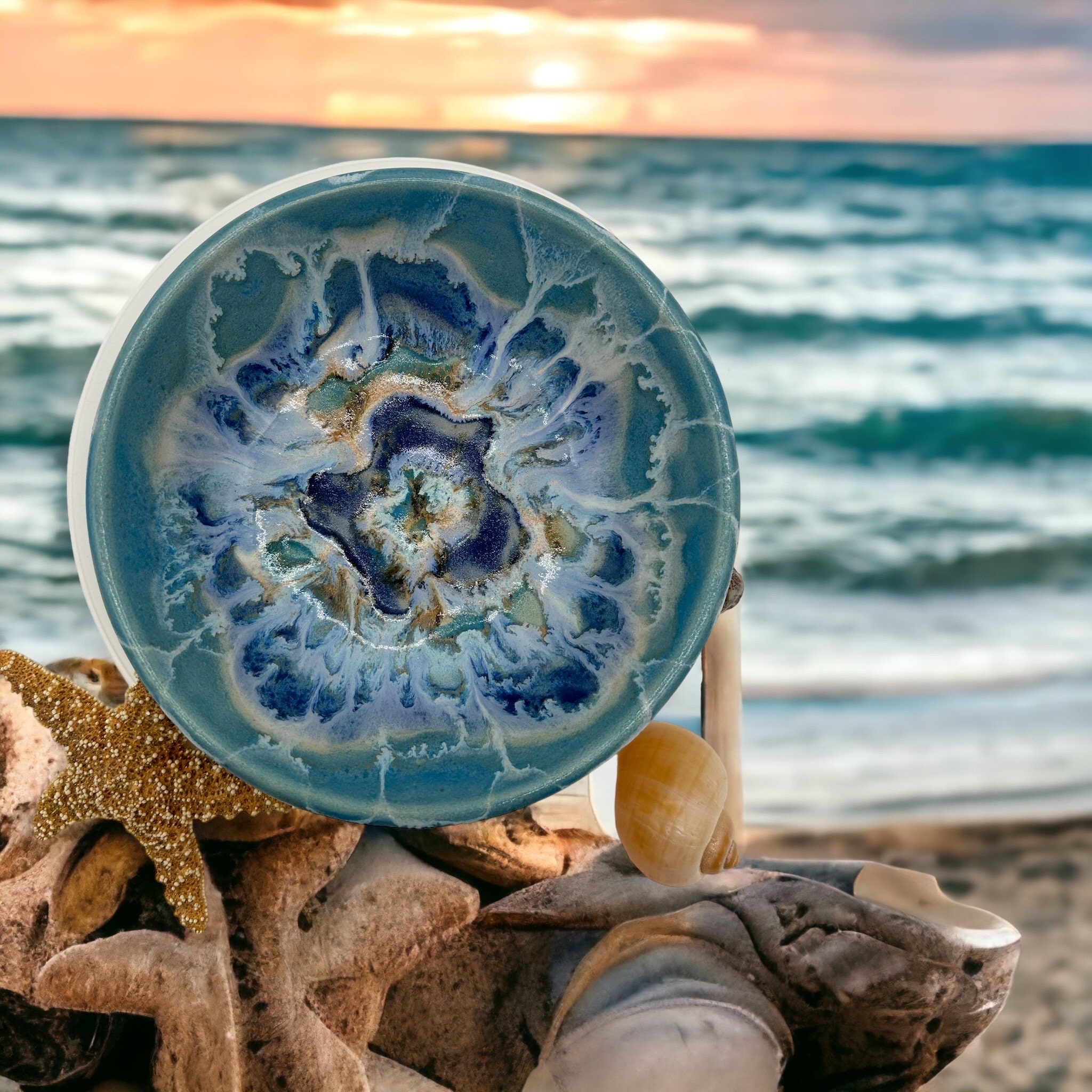
Nautical bowls are decorative or functional bowls inspired by maritime themes, coastal living, and ocean elements. They often feature colors like navy blue, white, aqua, and sandy beige, along with motifs such as anchors, ropes, shells, waves, or compass roses.
Unlike generic bowls, these pieces are designed to reflect a lifestyle. On the other hand, some are subtle, using texture and color rather than obvious symbols to suggest a nautical mood.
Defining Characteristics of Nautical Bowls
- Coastal color palettes inspired by sea and sky
- Maritime patterns or textured finishes
- A balance of rustic charm and clean design
- Practical shapes suitable for everyday use
When used thoughtfully, nautical bowls feel timeless rather than themed, which is why they remain popular in coastal, farmhouse, and modern beach homes alike.
History and Inspiration Behind Nautical Bowls
The origins of nautical-style tableware can be traced back to seaside communities where practical household items were influenced by the ocean. Sailors, fishermen, and coastal families relied on durable ceramics and wooden bowls that could withstand daily wear.
Over time, these utilitarian objects began reflecting the culture around them. Rope textures mimicked dock lines, blue glazes echoed the sea, and shell motifs honored coastal life. That said, modern designs refine these influences into elegant decor pieces rather than purely functional tools.
Nautical Design Through the Decades
- Early coastal settlements: Simple, handcrafted bowls made from clay or wood
- 19th century: Decorative maritime symbols became more common
- Modern era: Minimalist nautical bowls emphasizing texture and color over symbols
Today’s nautical bowls combine heritage inspiration with contemporary design, making them versatile across many interior styles.
Popular Styles of Nautical Bowls
Nautical bowls come in a surprising variety of styles, allowing homeowners to personalize their coastal look without feeling repetitive or forced.
Classic Maritime Style
These bowls feature obvious nautical elements such as anchors, ships, or compass designs. They’re ideal for beach houses, coastal rentals, or themed dining spaces.
Minimal Coastal Style
Instead of bold graphics, minimal designs rely on:
- Soft blue or white glazes
- Subtle wave textures
- Matte or slightly distressed finishes
In reality, this style works best in modern homes where simplicity is key.
Rustic Seaside Style
Rustic nautical bowls often use reclaimed wood, stoneware, or crackle glazes. They feel warm, grounded, and slightly weathered—perfect for farmhouse or cottage interiors.
Artistic and Handmade Style
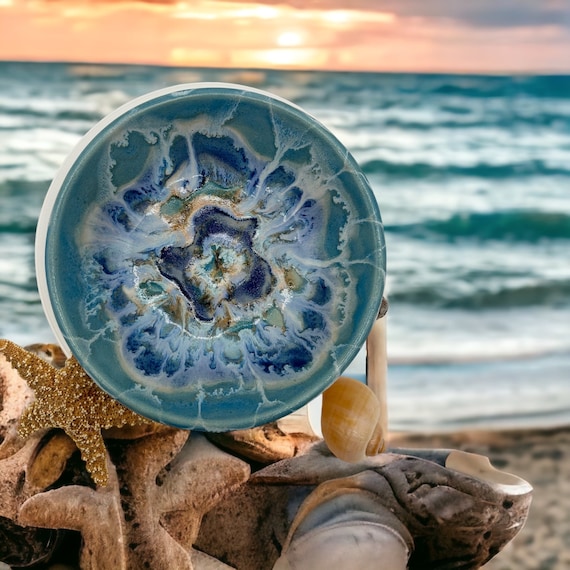
Handcrafted bowls bring individuality into a space. Slight imperfections, hand-painted details, and organic shapes give these pieces character and authenticity.

Materials Commonly Used in Nautical Bowls
The material of a bowl impacts not only its appearance but also its durability and functionality.
Ceramic and Stoneware
Ceramic nautical bowls are among the most popular due to their versatility. They’re suitable for serving, decorating, and everyday use.
Benefits include:
- Easy maintenance
- Wide range of glazes and designs
- Dishwasher-safe options
Wood
Wooden bowls bring warmth and a natural feel. Teak, mango wood, and acacia are common choices for coastal designs.
However, wooden bowls are usually better suited for decor or dry foods, as moisture can damage the material over time.
Glass
Glass nautical bowls often feature sea-inspired colors or etched marine patterns. They’re elegant and work well as centerpieces or fruit bowls.
Metal and Enamel
Enamel-coated metal bowls offer a vintage maritime look. They’re lightweight, durable, and commonly used in casual or outdoor coastal settings.
How to Use Nautical Bowls in Home Decor
One of the strengths of nautical bowls is their flexibility. They can shift from functional items to decor accents effortlessly.
Table Centerpieces
A large bowl filled with shells, driftwood, or decorative orbs can anchor a dining or coffee table without overwhelming it.
Kitchen Styling
Place nautical bowls on open shelving or countertops to store fruit, bread, or utensils while adding visual interest.
Entryway and Console Tables
In entryways, bowls can hold keys, mail, or small essentials while setting a coastal tone as soon as guests enter.
Bathroom Accents
Smaller nautical bowls work well for soaps, towels, or decorative stones in bathrooms, reinforcing a spa-like coastal feel.
Nautical Bowls for Serving and Entertaining
Beyond decor, nautical bowls shine during gatherings and casual meals. They bring personality to serving without sacrificing practicality.
Ideal Uses for Entertaining
- Serving salads, pasta, or seafood
- Holding snacks during gatherings
- Displaying bread or fruit
Using <strong>nautical bowls</strong> during entertaining subtly reinforces a relaxed, welcoming atmosphere. Guests often notice these thoughtful details, even if they can’t immediately name why the space feels inviting.
Pairing with Other Tableware
To keep the look cohesive:
- Combine bowls with neutral plates
- Use linen napkins in coastal colors
- Avoid overcrowding the table with patterns
That said, mixing textures—ceramic bowls with wooden boards, for example—adds depth and warmth.
Choosing the Right Nautical Bowls for Your Space
Selecting the right bowl isn’t just about appearance. It’s about scale, function, and harmony with your existing decor.
Consider Size and Proportion
A large bowl can overwhelm a small table, while tiny bowls may get lost on spacious surfaces. Measure your space before purchasing.
Match the Mood of Your Home
- Modern homes benefit from minimalist designs
- Rustic interiors suit textured or wooden bowls
- Traditional spaces can handle classic maritime motifs
Think About Function First
Ask yourself how the bowl will be used. Decorative-only pieces allow more freedom in material, while serving bowls should prioritize durability and safety.
Care and Maintenance of Nautical Bowls
Proper care ensures your bowls remain beautiful for years.
Ceramic and Glass Care
- Wash gently with non-abrasive sponges
- Avoid sudden temperature changes
- Check if dishwasher-safe before cleaning
Wooden Bowl Care
- Hand wash only
- Dry immediately after washing
- Oil occasionally to maintain finish
Storage Tips
Store bowls with padding between them to prevent chips or scratches, especially for handcrafted or painted pieces.
Sustainability and Handmade Nautical Bowls
In recent years, sustainability has become an important factor in home decor choices. Many artisans now create nautical bowls using eco-friendly practices.
Why Handmade Matters
Handmade bowls often use:
- Locally sourced materials
- Small-batch production
- Traditional techniques
On the other hand, mass-produced items can lack individuality. Choosing artisan-made pieces supports craftsmanship while adding a meaningful story to your home.

FAQs
Are nautical bowls only suitable for beach houses?
Not at all. Nautical bowls work well in modern, farmhouse, and even urban homes when styled subtly.
Can nautical bowls be used for everyday meals?
Yes, many ceramic and stoneware options are designed for daily use and are food-safe.
What colors work best with nautical bowls?
Neutral tones, soft blues, whites, and natural wood textures pair beautifully with nautical designs.
How many nautical bowls should I display in one room?
In reality, less is more. One or two well-placed bowls often make a stronger impact than several clustered together.
Are handmade nautical bowls more expensive?
They can be, but the quality, uniqueness, and craftsmanship often justify the price.
Do nautical bowls go out of style?
Coastal design elements, including nautical bowls, tend to remain timeless when chosen thoughtfully.
Can nautical bowls be mixed with non-coastal decor?
Yes. Mixing styles adds personality and prevents a space from feeling overly themed.
Conclusion
Nautical bowls may seem like small decor pieces, but their impact is surprisingly powerful. They bring texture, story, and a sense of calm inspired by the sea into everyday spaces.
Whether you’re decorating a coastal retreat or simply want to introduce subtle maritime charm, <strong>nautical bowls</strong> offer a balance of beauty and function that few decor items can match. With the right style, material, and placement, they become more than bowls—they become part of your home’s narrative.